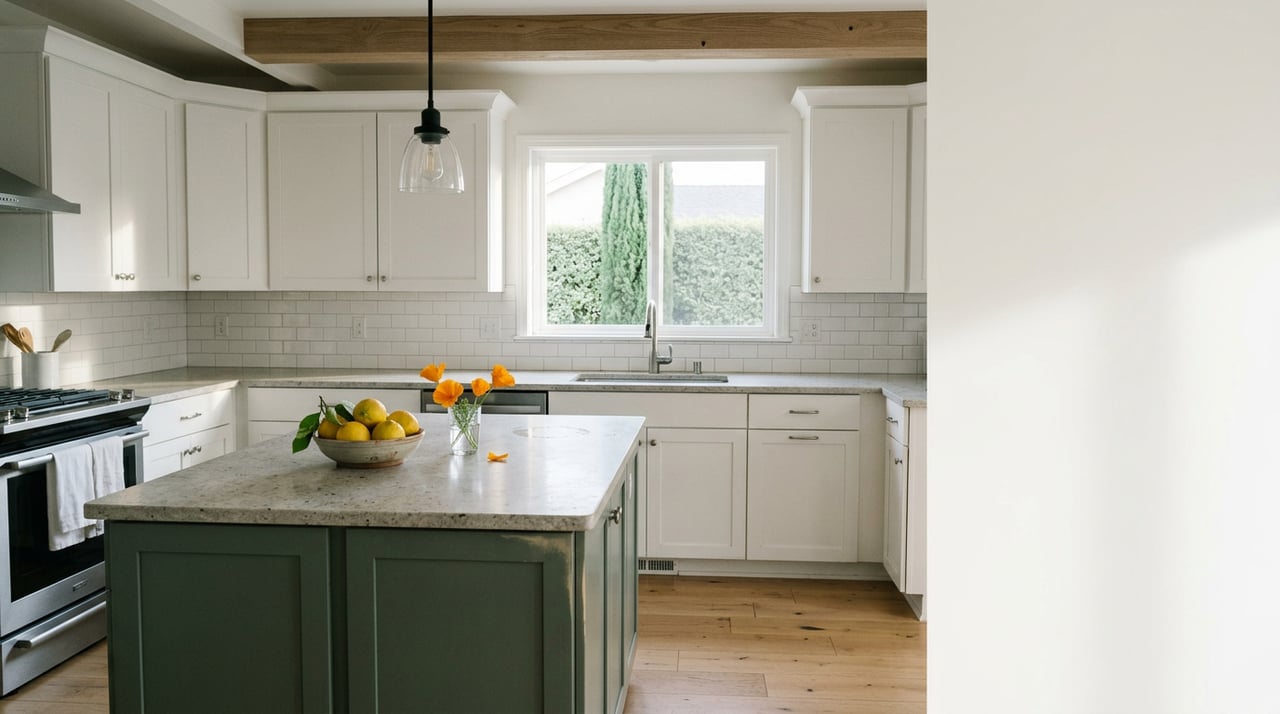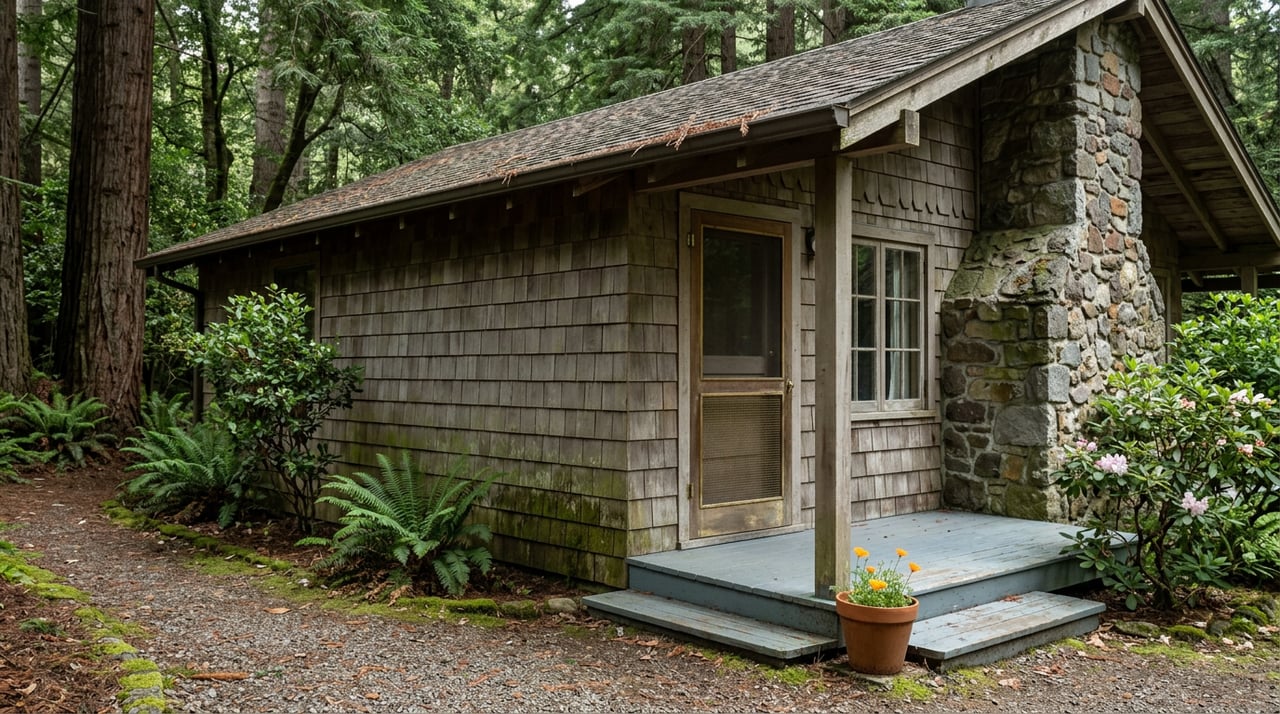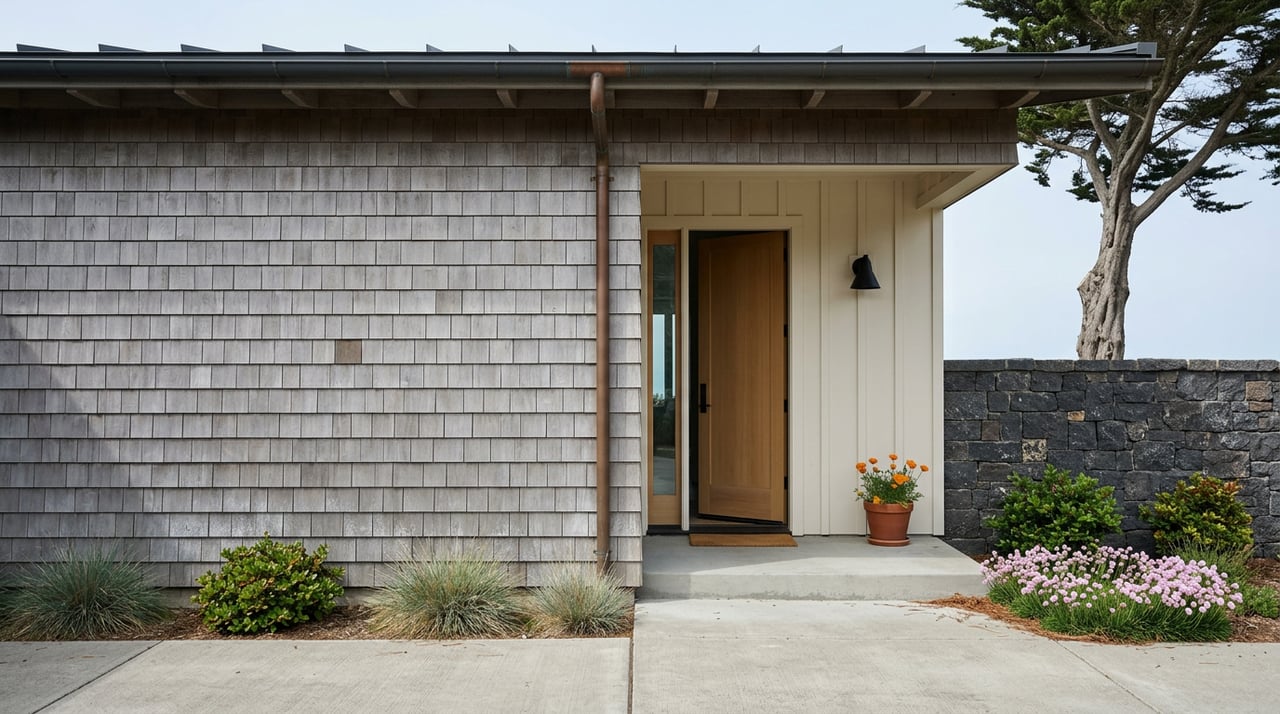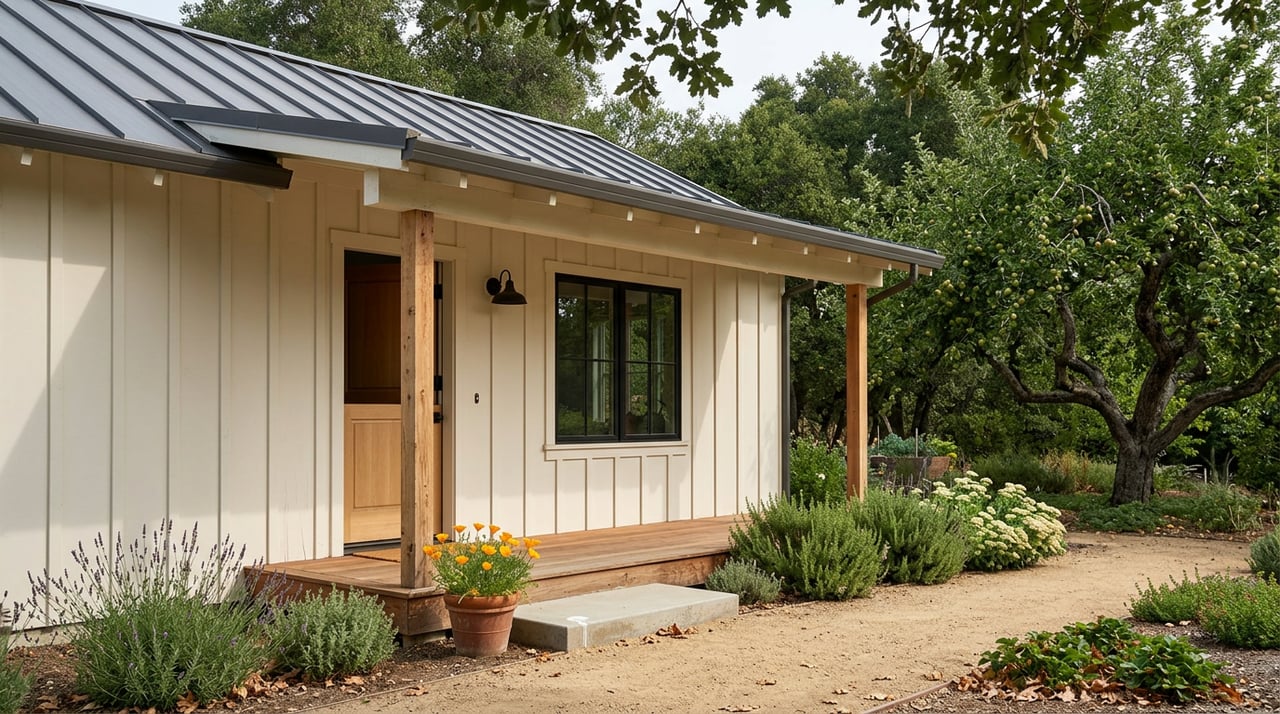
If you are dreaming about a Jenner home that you can enjoy for yourself and rent out from time to time, it helps to pause before you assume the numbers or the setup will work. In a small coastal market like Jenner, a property can feel perfect on first impression but still fall short for occasional rental use because of zoning, water limits, parking, or county operating rules. The good news is that with the right due diligence, you can spot the difference early and focus on homes that truly fit your goals. Let’s dive in.
Why Jenner requires extra care
Jenner sits within Sonoma County’s coast region, where land use is shaped by coastal protections and parcel-specific rules. The county’s Local Coastal Plan and Sonoma County Coast MAC framework make it important to verify what is allowed on the specific property, rather than relying on broad assumptions about the area.
This matters because coastal location alone does not make a home rental-ready. In Jenner, your intended use needs to line up with zoning, county rules, and the home’s actual infrastructure.
Know the two rental categories
If you want personal use with occasional income, one of the first questions is what kind of rental use you are actually considering. Sonoma County separates short-term rentals of 30 days or less into hosted rentals and vacation rentals, with different rules depending on whether the property is inland or coastal under Permit Sonoma’s rental regulations.
Hosted rental use
A hosted rental is a room or sleeping area in a single-family home where the owner remains in residence. According to Sonoma County’s hosted rental permit guidance, only one hosted rental is allowed per parcel, and hosted rentals are allowed only in certain zoning districts.
This can be a practical option if your main goal is to live in the home and occasionally host guests. It is not the same as renting the entire house while staying elsewhere on the property.
Vacation rental use
A vacation rental is the whole-home short-term rental category. Sonoma County says these rentals must have a certified 24-hour property manager within 30 miles, a current transient occupancy tax certificate, and compliance with county performance standards, as outlined in the county’s vacation rental requirements.
If your plan is to use the home personally most of the year and rent out the entire property occasionally, this is usually the category you need to evaluate. That means your purchase decision should include both lifestyle fit and operational fit.
Watch for ADU limits
One of the most important details for blended use buyers is this: Sonoma County says a vacation rental may not be operated in an ADU. The county also states that hosted rentals are not allowed in ADUs, as described in its hosted rental rules and vacation rental violation guidance.
That means a property with an appealing detached ADU is not automatically a short-term rental opportunity. If rental use is part of your plan, you will want to confirm exactly which structures are legal and which ones can be used under current county rules.
Evaluate the home for owner-first living
The best blended-use homes usually work well for you first. Rental potential matters, but day-to-day livability should still lead the decision.
Look for separation and privacy
A smart layout can make occasional hosting much easier. In practical terms, that often means clear separation between private owner space and guest space, especially if you are considering hosted rental use.
A home does not need to be large to work well. In many cases, a modest property with a thoughtful floor plan can support occasional guests more smoothly than a larger home with awkward circulation or limited privacy.
Check outdoor use carefully
Outdoor living is often part of Jenner’s appeal, but it also comes with extra considerations. Sonoma County’s vacation rental performance standards include quiet hours from 10 p.m. to 7 a.m. and prohibit outdoor amplified sound.
So if a deck, patio, or yard is central to the home’s value for you, think about how that space would function when guests are present. The right setup is one that feels enjoyable and manageable without creating noise spillover issues.
Utilities can shape the decision
In Jenner, infrastructure deserves close attention. Sonoma County Public Infrastructure serves the Jenner Water System, and the county has described Jenner as a water-scarce area with an aging system that loses significant water each month, according to the county’s water systems information.
For a blended-use buyer, that makes utility review more than a checklist item. Water efficiency, maintenance planning, and system capacity can all affect whether the home is practical for occasional guest use.
Review water demand
Homes with pools, hot tubs, large irrigation demand, or high guest turnover deserve extra scrutiny. In a water-scarce area, these features can create more upkeep and more operational questions than buyers expect.
Even if the home is only rented occasionally, water use patterns still matter. It is wise to think beyond the view and ask how the property functions during busy weeks, dry periods, and maintenance events.
Confirm septic or sewer function
Sonoma County requires vacation rental owners to maintain a functioning septic system or sewer connection under its vacation rental standards. If a home relies on septic, capacity and condition should be part of your early due diligence.
This is especially important if you are comparing homes with different bedroom counts or guest-use plans. A house that looks flexible on paper may be less flexible if the utility systems are not aligned with the intended use.
Parking and access matter more than buyers expect
Parking is not just a convenience issue in Sonoma County. It is part of the operating standard for vacation rentals.
The county requires at least one on-site parking space for a vacation rental with up to two guest rooms, two spaces for three or four guest rooms, and three spaces for larger rentals, based on the county’s vacation rental rules. The number of guest vehicles must also be reflected in rental agreements and online listings.
In a small coastal setting, this makes driveway layout and on-site parking capacity especially important. A home that cannot comfortably handle guest vehicles may be a poor blended-use fit even if the interior is otherwise appealing.
Plan for emergency access
If the property is gated, Sonoma County requires emergency access arrangements such as a gate code or lockbox for emergency and fire services under the same county standards. That means access design, lighting, and ease of entry should be part of your review.
In Jenner’s coastal environment, practical access can matter just as much as aesthetics. A beautiful setting still needs to work safely and reliably.
Factor in taxes and operating rules
Occasional rental income should always be viewed through a compliance lens. In Sonoma County’s unincorporated area, the transient occupancy tax rate is 12%, which affects the real income picture.
For vacation rentals, Sonoma County also requires the TOT certificate number to appear in contracts, rental agreements, advertising, and websites. This is one more reason to treat blended use as a regulated activity, not just a casual side benefit.
Due diligence before you make an offer
If you are serious about buying in Jenner for personal and occasional rental use, your strongest move is to verify the property before you get emotionally committed. County rules can be highly specific, and assumptions can get expensive.
A focused pre-offer review should include:
- The parcel’s exact zoning
- Whether coastal or inland short-term rental rules apply
- Whether prior short-term rental use was legally established
- Whether the property already has any required county permit or zoning approval
- Whether the layout, parking, and utilities support the intended use
- Whether any structure involved is an ADU, which cannot be used for short-term rental under current county rules
Sonoma County’s vacation rental enforcement guidance makes clear that legal and tax review should happen early, not after closing.
What makes a good Jenner blended-use property
The strongest candidate is not always the most dramatic home. Often, the better fit is the one that balances your lifestyle goals with clear legal use, manageable utilities, workable parking, and straightforward access.
In other words, the right property is one you will love living in even if rental use is occasional, limited, or more regulated than expected. That kind of buyer mindset tends to lead to better decisions and fewer surprises.
If you are weighing Jenner homes with both lifestyle and occasional hosting in mind, working with a local team that understands West Sonoma County nuances can help you narrow the field quickly and ask better questions upfront. When you are ready to explore your options, connect with Donna Nordby for thoughtful, place-specific guidance.
FAQs
Can a Jenner ADU be used as a short-term rental?
- No. Sonoma County says ADUs cannot be used as vacation rentals, and hosted rentals are also not allowed in ADUs.
Can you rent out a room in a Jenner home while living there?
- Yes, if the use qualifies as a hosted rental and the parcel is in an allowed zoning district under Sonoma County rules.
Does being in coastal Jenner mean a home is approved for rental use?
- No. A coastal location does not automatically make a home rental-ready, and parcel-specific coastal rules still need to be verified.
What taxes apply to occasional short-term rental use in Jenner?
- Sonoma County’s transient occupancy tax in the unincorporated area is 12%, so projected rental income should be reviewed with taxes and compliance in mind.
What property features matter most for blended personal and rental use in Jenner?
- The key items are zoning, owner and guest separation, parking capacity, utility function, septic or sewer support, water use, and safe access.