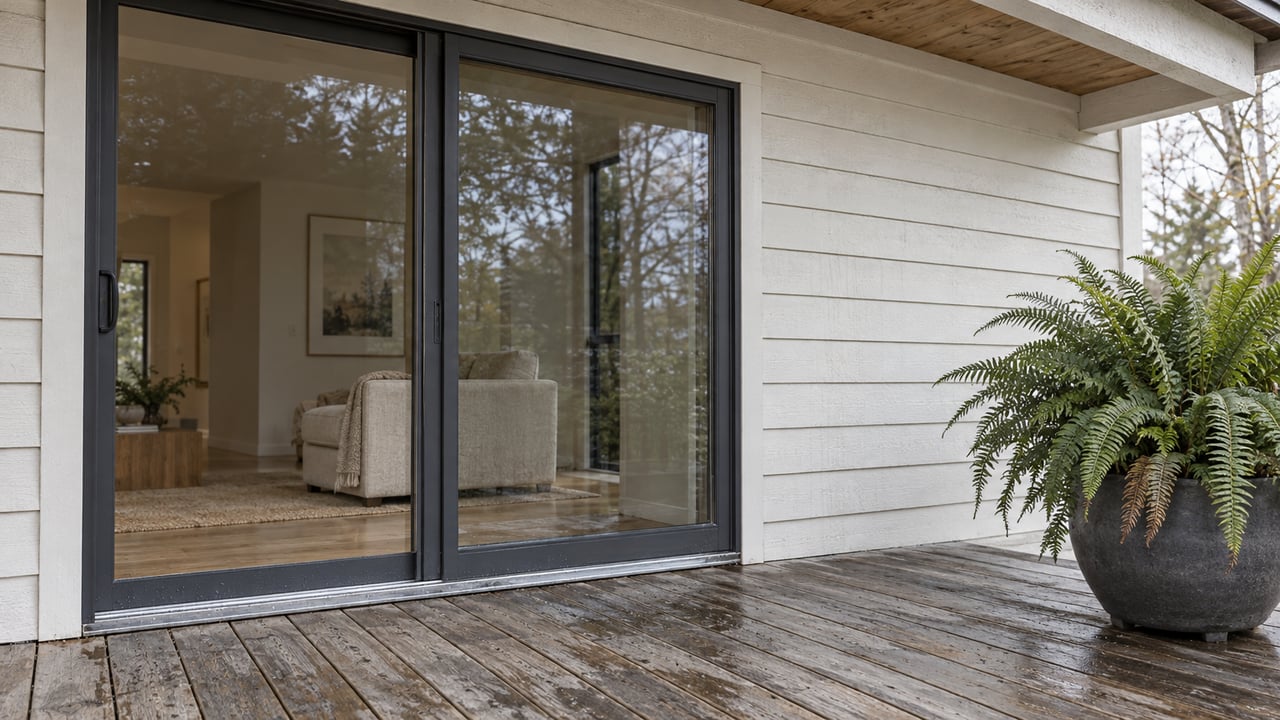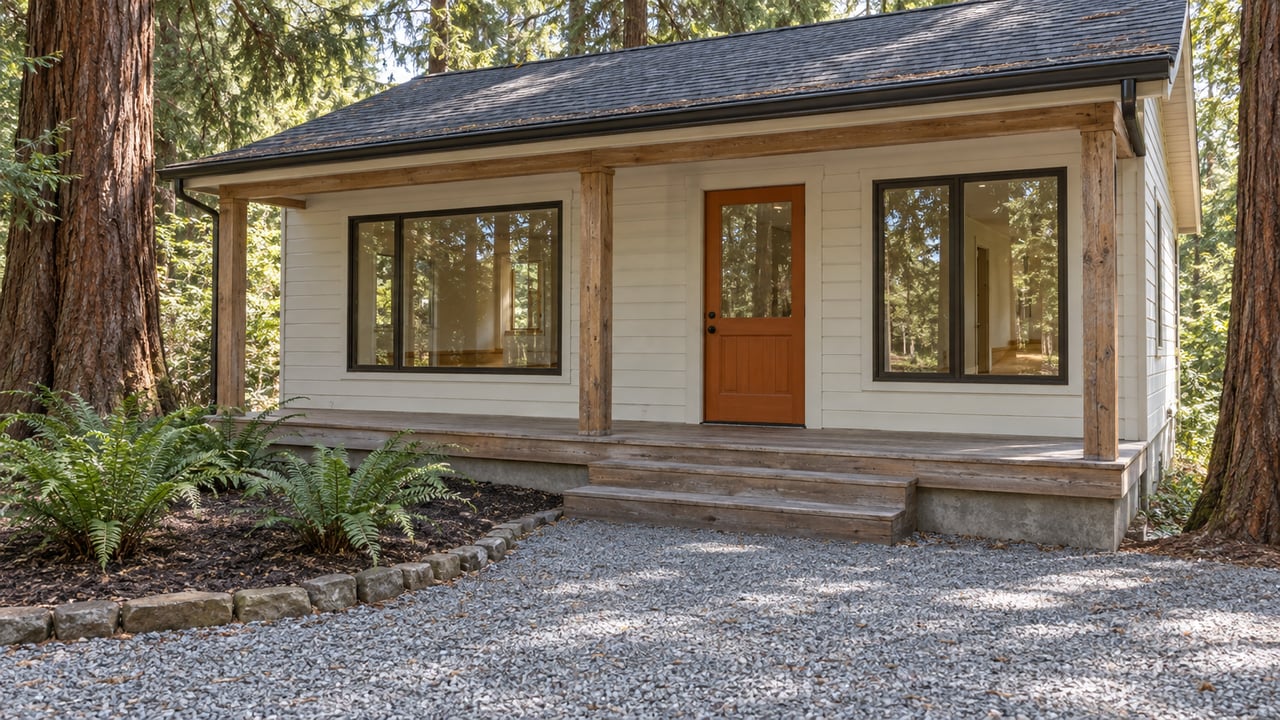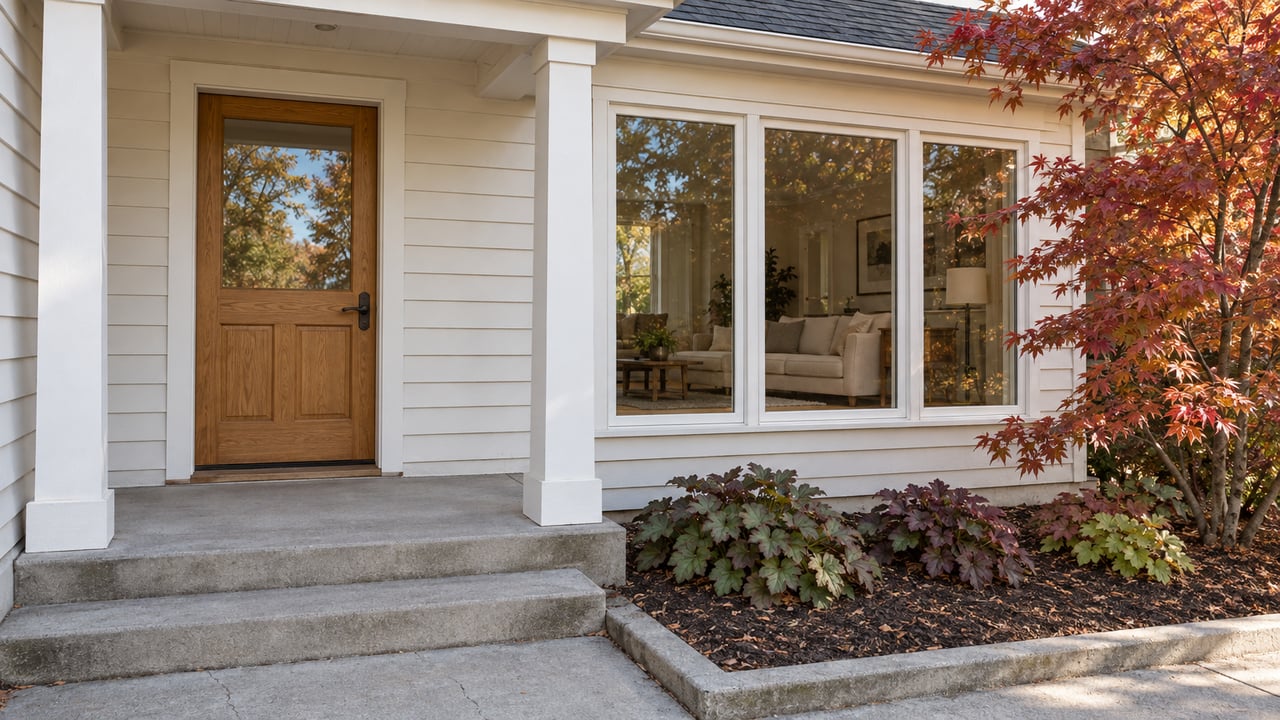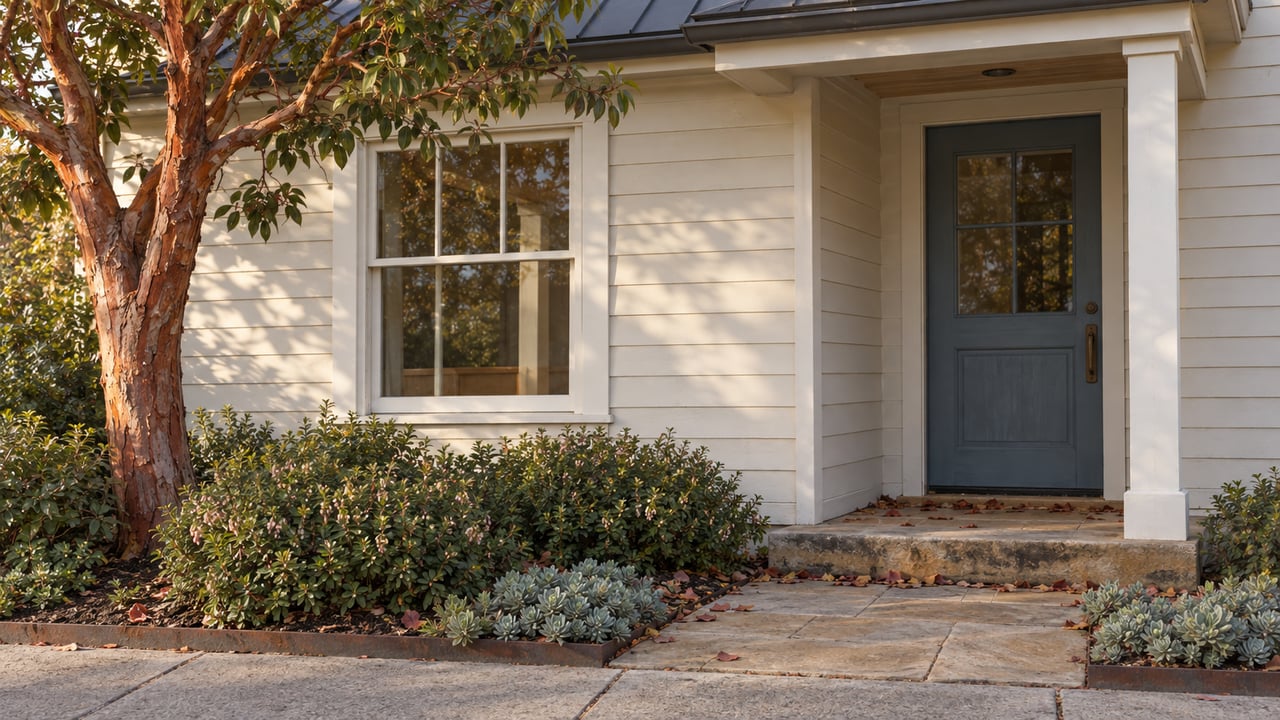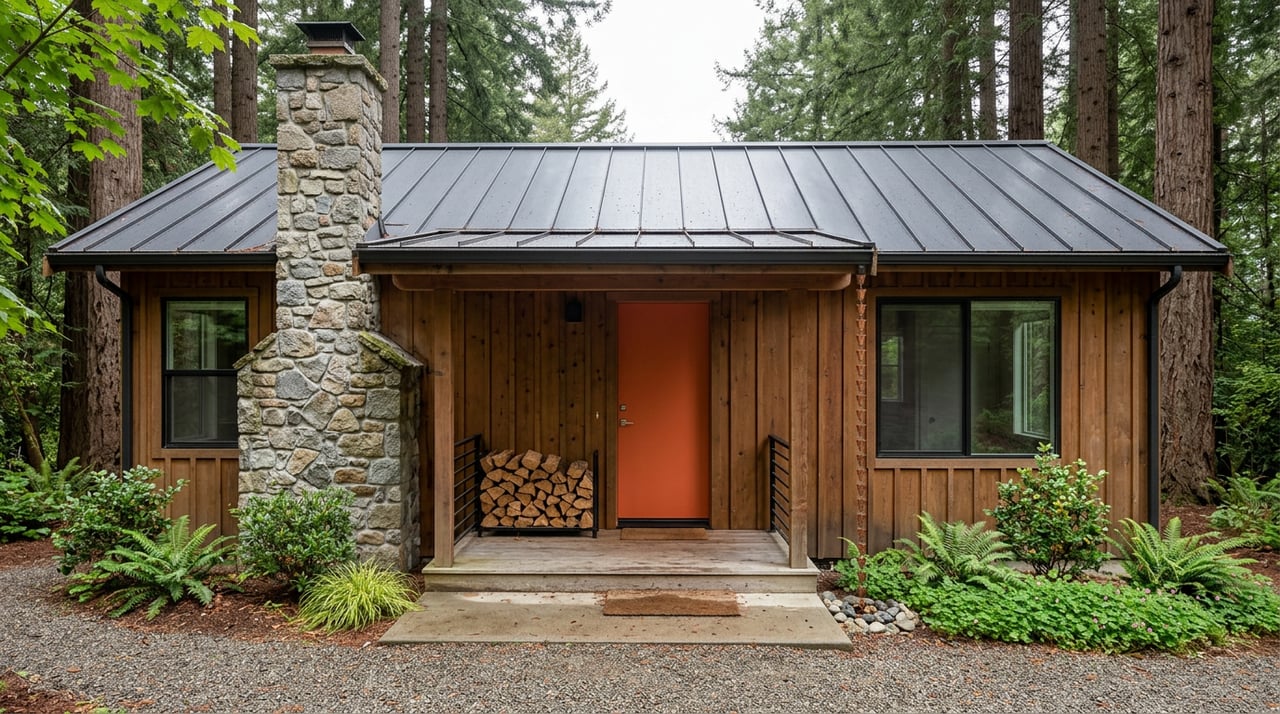
Is a Cazadero cabin your perfect weekend escape or a full-time base beneath the redwoods? If you love creek sounds, filtered sun, and a slower pace, it might be both. But daily-life realities like wells and septic, winter rains, wildfire insurance, and road access should shape your choice. In this guide, you’ll learn what living here actually looks like, how to weigh retreat vs. primary use, and the questions to ask before you write an offer. Let’s dive in.
Cazadero at a glance
Tucked into the redwood-covered foothills west of the Russian River, Cazadero is a small, rural community centered along Cazadero Highway and Austin Creek. Local fire preparedness and response run through the Cazadero Community Services District, with neighborhood vegetation management and homeowner education woven into everyday life. You can explore those programs on the district’s fire prevention page for a sense of local norms around defensible space and readiness. Visit the Cazadero Community Services District’s resources on fire prevention to understand local programs and expectations: Cazadero Community Services District fire prevention.
Retreat vs. primary: daily-life realities
A “Cazadero cabin” often means a wood-framed 1–3 bedroom home with warm paneling, a big deck, creek or forest setting, and a wood stove or propane heat. Many are marketed as retreats, but plenty serve year-round owners well. Your use case comes down to utilities, access, and your comfort with seasonal patterns.
Utilities and services
- Water and wastewater. Most cabins rely on private wells and on-site septic systems. County requirements can affect remodels, ADUs, and short-term rental plans, and septic capacity is often the gating issue. Review Permit Sonoma guidance and plan for well and septic clearances on any project: Permit Sonoma well and septic guidance.
- Power. You are in PG&E territory with a history of Public Safety Power Shutoffs during high-fire weather. Many owners invest in generators or battery plus solar for resilience. Historic PSPS context is covered here: PG&E PSPS events overview.
- Internet and cell. Expect patchy cellular coverage under canopy and terrain. Many residents use satellite internet as primary or backup service.
Moisture, heating, and maintenance
- Winters are wet and under-canopy areas stay damp. Plan for upgraded moisture barriers, ventilation, and regular deck, roof, and chimney maintenance.
- Wood stoves and propane systems are common. Keep flues, vents, and spark arrestors on a maintenance cycle that fits local conditions.
Access to towns and services
- Groceries, restaurants, and everyday services concentrate along the Russian River corridor, with Santa Rosa as the hub for larger needs. Narrow rural roads and creek crossings can add time in winter storms, so allow flexible travel during heavy rain.
The climate reality: rain rules the calendar
Cazadero and the coastal foothills receive significantly more rain than inland Sonoma. Regional hydrology documents cite roughly 60 to 85 inches of annual precipitation around Cazadero and Fort Ross, which shapes how and when you use outdoor spaces and how you plan maintenance. For context, see the U.S. Army Corps of Engineers Russian River analysis: Russian River watershed hydrology.
What this means for you:
- Outdoor projects and major deck or siding work often fit a shorter, drier-season window.
- Expect moss on shaded structures and higher vigilance for rot under decks and in crawlspaces.
- Wet-season water intrusion is a key inspection focus before you buy.
Hazards and rules that shape your decision
These factors often tip the scale between a weekend retreat and full-time living.
Wildfire risk and insurance
- Mapping and codes. Large parts of rural Sonoma County are designated as Moderate, High, or Very High Fire Hazard Severity Zones by CAL FIRE. Parcel-level status influences building requirements, defensible space standards, and often your insurance costs. You can review statewide fire hazard layers here: CAL FIRE hazard severity zones.
- Insurance reality. Insurers have tightened underwriting in wildfire-exposed areas. The state FAIR Plan operates as insurer of last resort, and recent rule changes include home-hardening discounts for qualifying properties. Verify whether a cabin is insurable in the private market and price out FAIR Plan scenarios before you commit: California FAIR Plan and discounts.
- Local mitigation help. Sonoma County offers free assessments and, when funding is open, rebates for defensible space and structure hardening that can reduce risk and sometimes insurance costs over time. Explore current programs: Wildfire Adapted Sonoma County.
Evacuation and alerts
The county runs regular evacuation exercises and uses SoCoAlert for warnings. Cazadero has designated routes and assembly points used during drills. If you plan to live here full time, map multiple exit options and practice timing with pets and vehicles. Learn how local drills work: County evacuation exercises and alerts.
Flooding, creeks, and slopes
Many cabins sit near Austin Creek or small tributaries. Heavy winter rains can temporarily isolate parcels, close low-lying roads, and increase bank erosion risk. Review parcel-level FEMA and county flood mapping and ask sellers for any past repair receipts. County emergency documents note that Austin Creek can close Cazadero Highway during floods. Read the Russian River flood annex for context: Russian River flood planning annex.
Power interruptions during red-flag weather
Plan for power interruptions during high-fire weather. Confirm whether a property includes a transfer switch, fixed generator, battery backup, or solar. For medical needs, investigate utility medical baseline programs and community resource centers.
Planning a short-term rental
Whole-home vacation rentals in unincorporated Sonoma County require a business license, zoning permits, transient occupancy tax registration, and a Certified Vacation Property Manager. Caps, exclusion zones, parking and noise standards, septic capacity, and defensible space rules all apply. Feasibility is parcel specific and should be confirmed with Permit Sonoma before you rely on income to support a purchase. Review policy basics and required steps: Vacation rental rules overview.
Budgeting beyond the purchase price
Set realistic expectations by building these items into your annual plan. Always get local quotes.
- Property taxes. In California, annual property tax typically lands around 1 percent of assessed value plus local assessments. Confirm exact rates with the Sonoma County Assessor at the parcel level.
- Homeowners insurance. Costs vary widely in wildfire zones. Some buyers will use the FAIR Plan paired with a supplemental policy. Ask about home-hardening discounts where available: Insurance and FAIR Plan overview.
- Septic and well. Routine septic pumping is often every 3 to 5 years, with costs that depend on tank size and access. Plan for periodic well inspections and potential pump repairs or replacements over time.
- Defensible space and hardening. Initial clearing and ember-resistant upgrades vary by parcel size and vegetation. County programs may offer assessments and, when open, rebates: Wildfire Adapted Sonoma County.
- Road and driveway. Many rural parcels use partially maintained or private roads. Ask for recorded road maintenance agreements and recent invoices before you buy.
- Backup power and fuel. Budget for a fixed generator or battery plus solar if you plan to live full time, plus annual maintenance.
- STR compliance. If you plan to rent part time, include permit fees, TOT accounting, manager costs, and any septic or parking upgrades required by county standards: Vacation rental rules overview.
How to choose: retreat or primary home
Use these lenses to decide what fits your lifestyle.
Best suited as a retreat if you:
- Want a low-maintenance base for weekends and holidays, with flexibility around winter access or short power interruptions.
- Can keep a modest footprint with fewer upgrade projects and are comfortable scheduling major work during the dry season.
- Prefer to focus on nature, decks, and simple comforts instead of connectivity and commute needs.
Well suited for full-time living if you:
- Can verify reliable well yield, septic capacity that matches your household, and a clear maintenance history.
- Are prepared for wildfire readiness, including year-round vegetation management and potential insurance complexity.
- Have a solid power plan and internet redundancy and can navigate winter road conditions when heavy rains hit.
Buyer checklist before you offer
Give this list to your agent, inspector, and insurance pro so you get clear answers early.
Fire and insurance
- What is the parcel’s Fire Hazard Severity Zone designation? Confirm on state maps and in the Natural Hazard Disclosure: State fire hazard layers.
- Have there been insurance nonrenewals or denials? If yes, who insures it now and at what cost? Ask for current policy details and a FAIR Plan estimate if needed: Insurance and FAIR Plan overview.
- Does the home have documented hardening upgrades such as ember-resistant vents, Class A roof, or boxed eaves? Receipts can matter for discounts.
Water and wastewater
- Is there a septic permit on file, and when was the last pumping and inspection? Request a written findings report in a Permit Sonoma format: Permit Sonoma well and septic guidance.
- For the well, obtain pump test results with depth and yield, plus any recent water quality tests.
Flood and access
- Is any part of the parcel in a mapped flood zone? Ask for seller disclosures on past creek behavior and repairs. Review flood planning context for Austin Creek impacts: Russian River flood planning annex.
- Are there recorded road maintenance agreements or shared driveway obligations? Request copies and recent invoices.
Power, internet, and safety
- What backup power exists today, and is there a transfer switch or battery system? Clarify fuel storage and service history.
- How do owners receive alerts and evacuate during red-flag days or storms? Get familiar with county resources: County evacuation exercises and alerts.
Short-term rental plans
- If STR income matters, confirm septic capacity, parking, defensible space compliance, and permit eligibility before you rely on projections: Vacation rental rules overview.
Work with a local guide
Buying in the redwoods is about fit. The right cabin will match your rhythm, risk tolerance, and budget. A local, place-based advisor helps you see around corners, from parcel-specific fire mapping to road maintenance realities and insurance pathways. If you are weighing retreat versus full-time use, or you want a second set of eyes on well and septic feasibility, reach out for a thoughtful walkthrough of your options. Connect with Donna Nordby for a grounded conversation and a curated tour of Cazadero cabins that fit your vision.
FAQs
Is a Cazadero cabin realistic as a primary home?
- Yes, if you verify well and septic capacity, plan for wildfire readiness and power resilience, and are comfortable with winter access and maintenance shaped by heavy rainfall.
What should I know about wells and septic in Cazadero?
- Many cabins use private wells and on-site septic, and Permit Sonoma clearances can affect remodels or ADUs, so get recent tests, permits, and inspection records before you commit.
How do wildfire zones affect insurance near Cazadero?
- CAL FIRE hazard maps influence building standards and underwriting; many buyers compare private-market quotes with FAIR Plan options and ask about home-hardening discounts.
Do roads and creeks near Cazadero flood in winter?
- Heavy rains can raise Austin Creek, temporarily closing segments of Cazadero Highway and isolating low-lying parcels, so review flood mapping and seller history.
Can I run a short-term rental at my cabin?
- Whole-home STRs require county permits, TOT registration, a certified manager, and compliance with parking, septic, and defensible space standards, and eligibility is parcel specific.