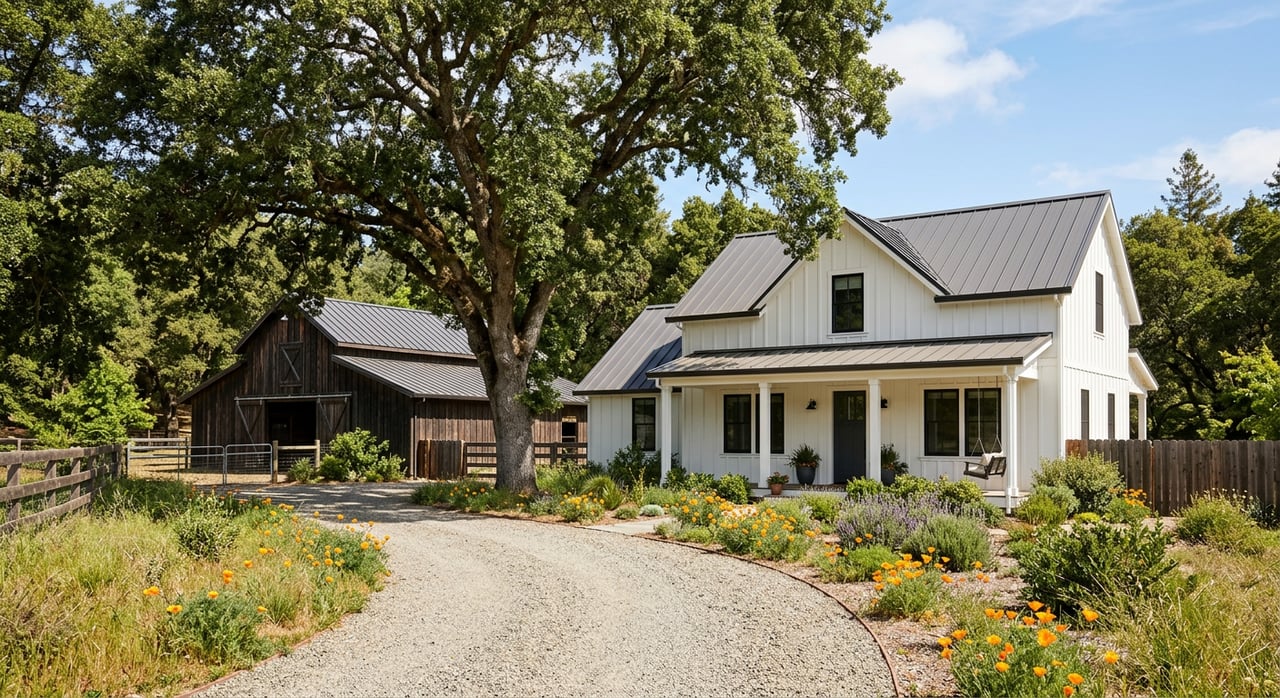
Dreaming of a little farmette where you can grow fruit, keep a few animals, and still be minutes from great coffee in town? Around Sebastopol, that lifestyle is real if you know how to read the land, the zoning, and the fine print. You want the romance of rows of apples and the practicality of good water, septic, and access. In this guide, you’ll learn the small‑acreage basics, what the 5‑acre threshold unlocks, the key hazards to check, and a step‑by‑step due‑diligence path tailored to West Sonoma County. Let’s dive in.
What “small acreage” means here
Sebastopol sits on the west edge of the Santa Rosa Plain beside the Laguna de Santa Rosa. The landscape shifts from rolling low hills to flat valley bottoms, and microclimates can vary even within a short drive. Low areas can hold cool air and frost, while gentle slopes warm faster. The City’s community profile offers a helpful overview of setting and services inside city limits if you are weighing in‑town versus country parcels near the edge of town. You can start with the City’s concise summary of local context and infrastructure in the Sebastopol community profile.
When buyers say “small acreage” around Sebastopol, they usually mean:
- Close‑in ranchettes and hobby farms: roughly 1 to 5 acres just outside city limits.
- Small farms and country parcels: roughly 5 to 20 acres that are more likely to support agricultural buildings and established orchards or vineyards.
- Larger farm or ranch holdings: 20 acres and up, less common close to town but present on surrounding hills.
These size bands reflect local patterns, not a single rule. What you can build or add will depend on the parcel’s specific zoning and any combining districts on the county maps.
Zoning, parcel sizes, and what you can do
Sonoma County’s zoning sets the baseline for uses, density, and minimum parcel sizes. Rural Residential and Agricultural zones around Sebastopol often include minimum lot sizes on the district maps, and “B” combining districts can change density or standards. Before you tour, confirm the APN’s exact zoning and any combining districts in the county code. You can review the relevant zoning language in the Sonoma County zoning code.
If you plan an accessory dwelling unit, know that ADU size and permitting depend on your utilities. Parcels on public water and sewer follow one set of allowances. Parcels on private well and septic follow another, and minimum parcel sizes matter. For specifics, see the County’s ADU standards and have your agent confirm how your parcel’s utilities shape options.
Inside the City of Sebastopol, many properties connect to municipal water and sewer. In the unincorporated area, most small-acreage parcels rely on a private well and an on‑site septic system. Those two systems guide much of your due diligence.
The 5‑acre threshold many buyers ask about
A common question is what changes at 5 acres. In Sonoma County, parcels of at least 5 acres in eligible zones may qualify for an Agricultural Building Permit Exemption. That exemption can cover farm buildings that store equipment or products or house animals. Even when exempt from a full building permit, the structures still must meet setbacks, fire, grading, and site standards. Review the County’s policy on the Agricultural Building Permit Exemption if a barn or similar outbuilding is central to your plan.
Two practical takeaways:
- Many true ag‑exempt barns cluster on parcels that are 5 acres and larger.
- Under the exemption, these buildings cannot be used as dwellings. Plumbing for living space will not qualify.
What you will see on the ground
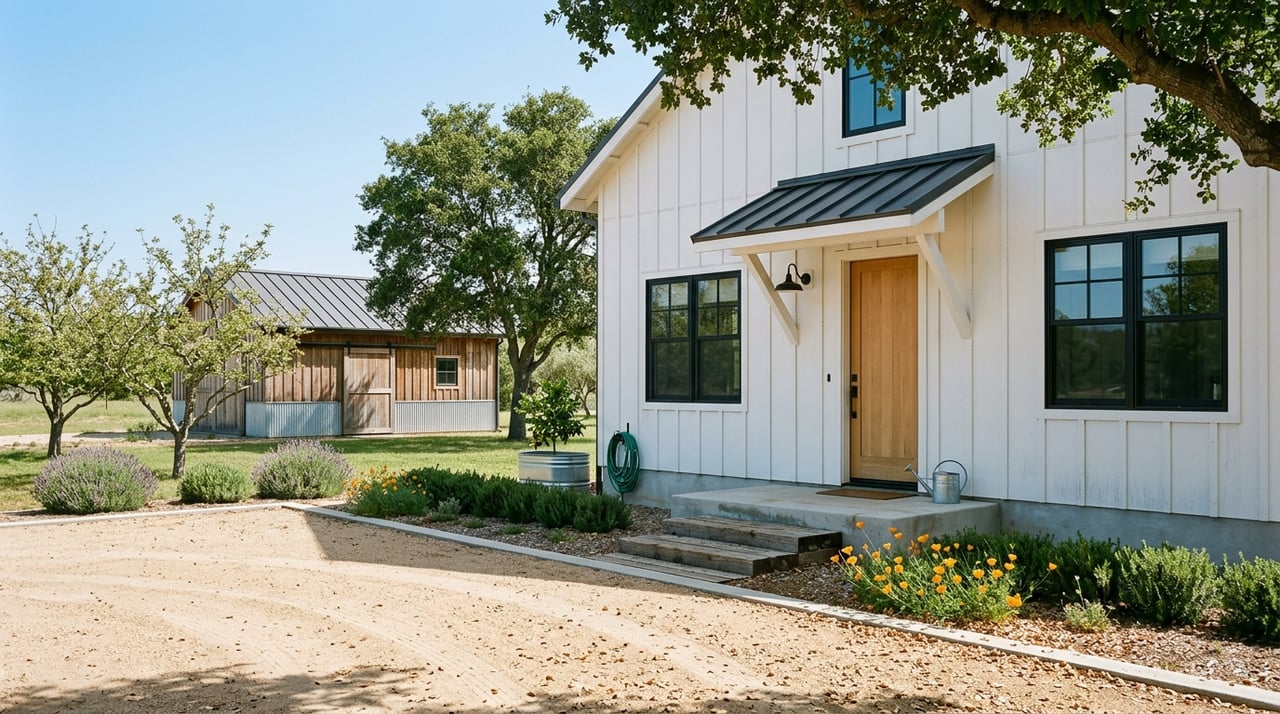
Homes range from classic farmhouses to single‑story ranch styles and newer builds on country lots. Many close‑in hobby farms have a main house plus accessory structures for storage, gardening, or small‑scale processing. On parcels that meet the criteria, ag‑exempt barns or pole barns are common.
Utilities and services vary by address. City parcels can tap municipal water and sewer. In the countryside, private wells and on‑site septic systems are the norm, electricity is typically PG&E, and broadband availability can vary street by street. If high‑speed internet is important, confirm providers at the address early in your search.
Site constraints to check early
Septic and on‑site wastewater
If the property has a septic system, assume that it drives what and where you can build. The County follows an OWTS policy and a Local Area Management Program. During due diligence, ask for percolation test results, as‑built septic plans, maintenance records, and any correspondence with the County. Start with the County’s OWTS Manual and septic guidance to understand how systems are evaluated and permitted.
Wells and groundwater
Private wells require county permits and, in many cases, testing or monitoring. Some areas require dry‑season pump testing, and new wells that significantly increase groundwater use can trigger extra review. Collect the well completion report, recent pump‑test results, storage capacity, and any water quality data. The County outlines permits and testing on its Water Wells page.
Wildfire hazard and defensible space
Parts of West Sonoma County fall within mapped Fire Hazard Severity Zones. Sellers in high or very high zones must deliver specific home‑hardening and defensible‑space disclosures. You should also plan for vegetation management and possible insurance impacts. Review local maps and requirements on the County’s Fire Hazard Severity Zones resource.
Flooding, wetlands, and streams
The Laguna de Santa Rosa floodplain stores and moves winter stormwater. Low‑lying parcels or those with creek frontage may face FEMA floodplain rules, streamside setbacks, and riparian protections. Ask for historic flooding information, check current FEMA panels, and consider a biologist or wetlands consultant if you see seasonal wet areas or mapped creeks. Learn more about the watershed’s role through the Laguna de Santa Rosa overview.
Soils, slopes, and erosion
Soil type and drainage control your septic feasibility, buildability, and erosion risk. The local “Sebastopol” soil series is one example of how site‑specific soils can influence design and permitting. For steeper or graded sites, a geotechnical report is common when adding structures.
Biological resources and tree work
Oak woodlands and riparian habitats receive special protection. Removing mature trees or working near a stream can require permits and mitigation. If you see oaks, creeks, or habitat features, assume you will have an extra review step and plan time for it.
Williamson Act contracts
Some acreage is enrolled in the Land Conservation Act, often called the Williamson Act. This can reduce property taxes but restrict non‑agricultural development and parcel splits. Confirm any recorded contract status early. The County’s overview of the Land Conservation Act program explains how these contracts work.
Close‑in vs farther out: tradeoffs
- Closer‑in (within a few miles of downtown): shorter drives to services, potential access to municipal utilities where inside city limits, and more 1 to 5 acre parcels. Expect higher per‑acre pricing and, in some cases, tighter rules for accessory agricultural uses. The Sebastopol community profile offers a quick sense of city services.
- Farther out: more privacy and farm potential on larger lots, often with private well and septic, and more private roads. Depending on terrain, wildfire and flood exposure can increase. Plan for longer permitting timelines if your site has wetlands, oaks, or slopes. The County’s Water Wells page is a good primer if you will be on a private well.
A simple rule of thumb: define your lifestyle goals first. How many animals, how much garden or orchard, and what kind of buildings do you truly need. Then filter properties by zoning and acreage that support those uses and confirm utilities up front.
How to run smart due diligence
Use this sequence to save time and surprises.
- Early screening
- Ask the seller for the APN, a basic site plan, and notes on utilities before you tour.
- Confirm zoning and any combining districts in the Sonoma County zoning code. If you want an ADU, cross‑check the ADU standards.
- Utilities and services
- If you hope to connect to public water or sewer, request a service‑availability letter from the City or utility. The Sebastopol community profile is a helpful starting point.
- For private utilities, confirm well depth, pump test results, storage, and septic capacity.
- Title and recorded documents
- Order the preliminary title report and all recorded easements or CC&Rs.
- Look specifically for road or driveway easements and any recorded agricultural building exemptions or land‑conservation contracts.
- Permits and building history
- Ask for building permits and final sign‑offs for the house and all outbuildings.
- If a barn claims an ag exemption, verify it meets the policy on the Agricultural Building Permit Exemption.
- Well and septic files
- Request the well completion report, recent pump test, water quality tests, and any metering data. The County outlines requirements on the Water Wells page.
- Collect septic as‑builts, percolation test results, and any OWTS correspondence. See the OWTS Manual for context on system standards.
- Hazard checks and insurance
- Confirm whether the property is within a mapped fire hazard zone and whether home‑hardening or defensible‑space disclosures apply. Use the County’s Fire Hazard Severity Zones resource.
- Ask about flood history, FEMA panel status, and whether any work near streams required permits.
- Speak with insurance agents early about coverage in the property’s hazard zone.
- Farm and retail uses
- If you plan U‑pick, a farmstand, or small‑scale retail, confirm the parcel’s land‑use designation and the County’s farm‑retail rules. Start with the County’s guide to Small‑Scale Farm Retail Sales Facilities.
- Access and roads
- For private roads or shared driveways, confirm recorded access and any maintenance agreement. Lenders often require clear access and all‑weather standards for underwriting.
Helpful questions to ask
- To Permit Sonoma Planning or Building: Is this parcel eligible for an agricultural building exemption. Are there any recorded restrictions or combining districts that change density.
- To Environmental Health: Please provide the well file, recent pump tests, septic as‑built, and any OWTS records for APN [#######].
- To the City of Sebastopol or your water provider: Is public water or sewer available at this address. If so, what are the connection steps and typical costs.
- To local fire officials: What defensible‑space and driveway access standards apply at this address. Are any seller disclosures required for wildfire zones.
- To title and escrow: Deliver all recorded easements, road agreements, any agricultural exemption notices, and any Williamson Act documents.
Wrapping up
Buying small acreage near Sebastopol can be deeply rewarding. The key is matching your vision to a parcel’s zoning, utilities, and site conditions, then verifying the details with the County and your inspectors. With a clear checklist and local guidance, you can enjoy that country‑close‑in lifestyle with confidence.
If you are ready to explore Sebastopol hobby farms and small acreage, reach out to Donna Nordby for a thoughtful plan, curated tours, and experienced negotiation tailored to West Sonoma County.
FAQs
What counts as “small acreage” near Sebastopol?
- Buyers most often see 1 to 5 acre hobby‑farm parcels close to town and 5 to 20 acre small farms in the surrounding countryside. Always confirm zoning and utilities before planning improvements.
How does the 5‑acre rule affect barns and outbuildings?
- On eligible parcels of at least 5 acres, Sonoma County may allow an Agricultural Building Permit Exemption for certain farm structures that meet policy standards. Exempt buildings still must meet setbacks and safety rules and cannot be used as dwellings.
What should I request for a rural well and septic system?
- Ask for the well completion report, recent pump test, water quality results, and any metering data, plus septic as‑builts, percolation tests, and OWTS correspondence. These records show capacity, treatment, and compliance.
Are Sebastopol country properties at wildfire risk?
- Parts of West Sonoma County fall in mapped fire hazard zones. Expect seller disclosures if the property is in a high or very high zone and plan for defensible space, possible home‑hardening, and insurance considerations.
How do Laguna de Santa Rosa floodplains affect my plans?
- Low‑lying parcels or creek‑adjacent sites may face FEMA rules, streamside setbacks, and riparian protections. Ask for flood history and consider a specialist review if you see seasonal wet areas or mapped channels.
Can I run a farmstand or U‑pick on my property?
- It depends on zoning, parcel size, access, and parking. Review the County’s small‑scale farm retail rules and confirm details with Permit Sonoma before you buy or invest in infrastructure.