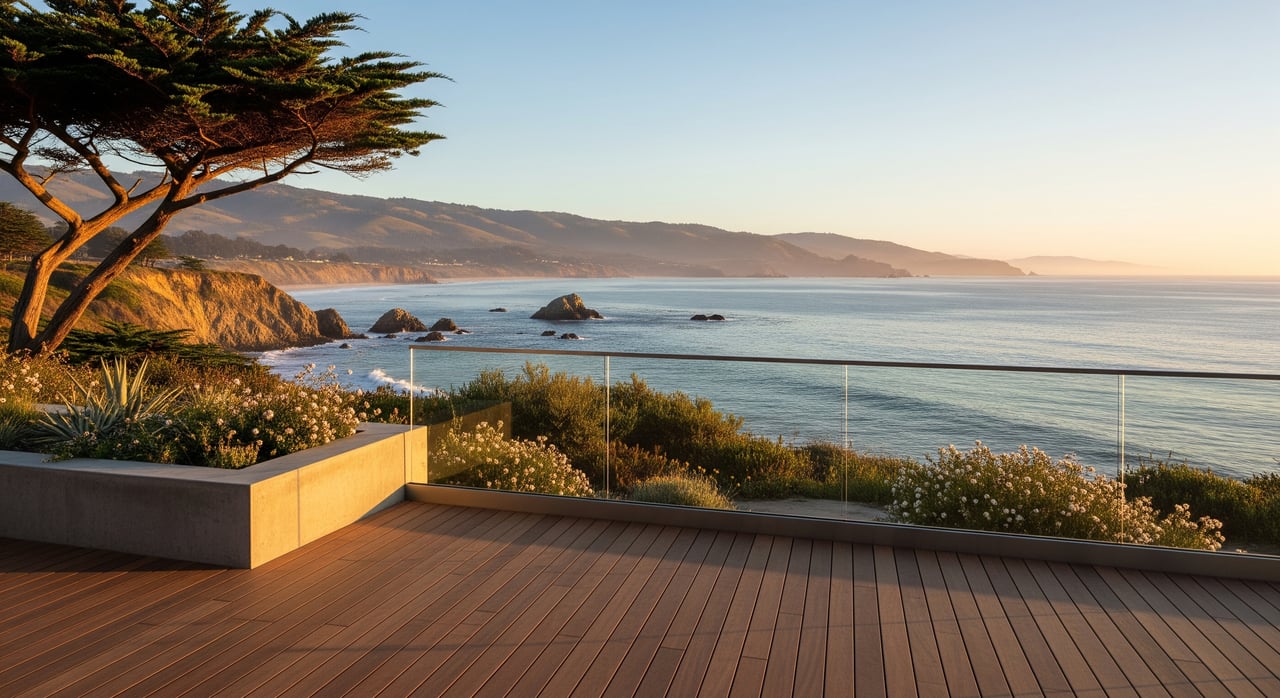
You fall in love with a Jenner home for its sweeping ocean and river views, then wonder if you can keep that outlook for the long haul. It is a fair question on the Sonoma coast, where views are part of the lifestyle and the value. In this guide, you will learn what a coastal view easement is, how local rules shape what you can build or trim, and the steps to verify and protect a view before you buy or sell. Let’s dive in.
What a view easement is
A view easement is a property right that protects a specific view from one parcel by restricting certain obstructions on another. Most are written and recorded, so they run with the land and bind future owners. A classic view easement is a negative easement that limits height or vegetation in a defined area.
It is different from a conservation easement, which usually preserves habitat or open space and can incidentally protect scenic values. It is also different from a public access or trail easement, which allows public passage and can affect where private improvements go. Most important, California law does not recognize a general right to a view. Without a recorded easement, covenant, or enforceable agreement, you cannot assume your current view is protected.
Why Jenner views have extra rules
Jenner sits where the Russian River meets the Pacific, along State Route 1. The area is rich with ocean, river, and coastal bluff scenery, which draws buyers and visitors. Because these resources are significant, state and county rules focus on visual character, public access, coastal hazards, and habitat.
The California Coastal Act prioritizes scenic and visual qualities, public access, and resource protection in the coastal zone. Many changes on coastal parcels need a Coastal Development Permit (CDP). Depending on where the parcel lies within the Local Coastal Program, permits may be handled by Sonoma County or by the California Coastal Commission. In practice, that can affect plans for vegetation removal, second‑story additions, bluff work, or deck extensions.
Highway corridors also matter. Scenic highway and scenic corridor policies guide development visibility, vegetation management, and sign control to protect views from public roads, including segments of Highway 1. These designations do not give you a private right to a view, but they can shape what is allowed on surrounding parcels and how your own project will be reviewed.
Who regulates what
- State framework: The Coastal Act sets policies on visual resources, shoreline protection, and public access. The Coastal Commission oversees CDPs where the local program is not certified or where appeal areas apply. Find policy and CDP basics on the California Coastal Commission.
- County implementation: Permit Sonoma applies the county’s Local Coastal Program for much of the coast. Planners verify coastal zone status, setbacks from bluffs and shorelines, vegetation rules, and whether your project needs a CDP or design review. Start with Permit Sonoma planners for parcel‑specific guidance.
- Scenic corridors: Caltrans and local plans identify scenic highways and corridors. These designations influence how visible development and vegetation changes are reviewed along Highway 1 and other routes.
- Conservation and public access: Local land trusts and public agencies may hold conservation or access easements on or near coastal parcels. These recorded instruments can preserve open views or limit development locations.
Buyer due diligence checklist
Use this step‑by‑step process to evaluate view rights and long‑term enjoyment before you remove contingencies.
1) Title and documents
- Order a current preliminary title report and read every exception. Look for recorded view easements, conservation easements, public access or trail easements, deed restrictions, and CC&Rs.
- Pull the chain of title for older agreements that still bind the land. Do not assume a view right exists unless you see it recorded.
- If there is an HOA or community design program, review CC&Rs and design guidelines for height limits, vegetation rules, or view corridor maps.
2) Planning and permitting
- Call Permit Sonoma to confirm coastal zone status, the property’s Local Coastal Program coverage, bluff and shoreline setbacks, and whether your intended changes need a CDP or other discretionary review. Start early because timing affects your offer strategy.
- Ask the California Coastal Commission about any CDP history for the parcel and neighbors. Past permits can include conditions that affect height, massing, or planting.
- Check county general plan and LCP scenic resource maps to see if the parcel is in a scenic corridor. Standards may influence what you and neighbors can do.
3) Site and technical reviews
- Commission a current ALTA or boundary survey to verify property lines, easement areas, and the exact location of bluffs and improvements.
- Walk the site to assess existing view corridors and nearby vegetation. Consider future growth patterns on adjacent land.
- If vegetation removal is part of your plan, obtain a biological review to flag habitat or protected species issues. In coastal zones, trimming or removal often needs permits.
- For bluff‑top or shoreline parcels, hire a geotechnical or coastal engineer to evaluate erosion, bluff retreat, and sea‑level exposure. Findings may shape long‑term setback expectations and options to regain or preserve views.
4) Contracts and counsel
- Engage a real estate attorney with coastal experience to interpret recorded instruments and draft agreements. If the view is essential, negotiate a recorded view easement or a vegetation maintenance agreement with neighbors.
- Include protective contingencies in your offer: title, survey, coastal and permit verification, environmental and geotechnical review, and document review for HOAs or CC&Rs.
- For sellers, prepare full disclosures of all known easements, public access rights, and any permit conditions. Clean, complete disclosure builds trust and reduces post‑closing risk.
5) Vegetation and neighbor relations
- Do not trim or remove vegetation on a neighbor’s parcel without consent. That can create legal exposure and may violate local habitat protections.
- When neighbor vegetation threatens a view, your best long‑term option is a recorded view easement with clear height limits and maintenance duties. A revocable license can be quicker but offers less certainty and may not transfer.
- Before removing vegetation on your own lot, confirm county and coastal permit requirements. Native vegetation and sensitive habitats are often regulated.
6) Conservation and open space
- Ask local land trusts and public open‑space programs about conservation easements or acquisitions near the parcel. These can preserve scenic character, which can help your view expectations, but they may also limit future view‑restoring work on the land under easement.
Common disputes and fixes
View disputes often begin with new landscaping or construction that affects a long‑enjoyed outlook. Common triggers include second stories, rooftop equipment, new hedges, or maturing trees on adjacent parcels. Public access paths or scenic‑corridor improvements can change the feel of a view setting as well.
The most reliable fixes are record‑based. If you have a recorded view easement, you can seek to enforce it. If you do not, negotiation is usually more practical than litigation. A new recorded easement with defined height limits, maintenance timelines, and cost sharing provides clarity for both sides.
Regulatory pathways exist, but they are not guaranteed. Scenic and coastal policies may limit a neighbor’s ability to build or plant, yet relying on discretionary permit outcomes is uncertain and slow. Courts can grant injunctions in limited cases when a right is clear and harm is irreparable, but these cases are complex and costly. A cooperative, recorded agreement tends to deliver the best long‑term result.
Market impacts in Jenner
A confirmed, recorded view easement can enhance value by protecting a key amenity that buyers prize on the coast. On the other hand, restrictions like conservation easements, public access easements, or significant bluff setbacks can limit future improvements that a buyer might expect to make to emphasize views. That does not make a property less desirable for everyone, but it can narrow the pool of buyers.
Uncertainty is what hurts most. Clear documentation, verified permits, and well‑crafted agreements reduce risk, speed decisions, and support stronger pricing. Sellers who disclose recorded encumbrances and permit conditions help buyers make informed offers. Buyers who budget time for surveys, geotech, and permit checks tend to avoid surprises.
Smart planning for projects and plants
If you hope to add a second story, extend a deck, relocate windows, or trim to reveal a view, treat permitting as part of your design process. Many coastal projects need a CDP and environmental review. Early conversations with Permit Sonoma and the Coastal Commission can save months of redesign.
Well‑written easements clarify maintenance. A good document states where height is measured, which species can be planted, how often trimming occurs, and who pays. Title insurance is valuable for many risks, but it does not ensure that a neighbor will keep trees low or refrain from building within their rights. The easement itself and the permit conditions are what matter.
Real‑life scenarios
- You love a bluff‑top home, but a neighbor’s cypress hedge is creeping up. Title reveals no view easement. You add a coastal and title contingency, then ask your attorney to propose a recorded vegetation maintenance agreement that caps hedge height and sets a trimming schedule. You adjust your offer timeline to allow for coastal and biological checks before any work proceeds.
- You plan a modest second‑story addition for a river view. A call with Permit Sonoma shows the parcel is within the coastal zone and subject to bluff setback limits. You consult the Coastal Commission for CDP history on adjacent parcels, then hire a surveyor and geotechnical engineer to shape a design that meets setbacks and reduces visual mass in a scenic corridor. You proceed with confidence because your contingencies cover CDP timing.
Key contacts for clear answers
- California coastal policy and CDPs: California Coastal Commission
- Local coastal zoning, setbacks, permits: Permit Sonoma planners
- Scenic highway designations and corridor standards: Caltrans State Scenic Highway Program (contact Caltrans for current mapping and criteria)
- Conservation easements and open‑space acquisitions: local land trusts and county open‑space programs
- Technical support: licensed surveyors, geotechnical and coastal engineers with Sonoma coast experience
How to move forward with confidence
If a view is a must‑have, verify it on paper and on the ground. Read the title report, confirm permit pathways, get the survey and geotech, and if needed, negotiate a recorded view easement with clear maintenance terms. This approach reduces uncertainty and protects your enjoyment in a place where the outlook is part of the daily rhythm.
Ready to evaluate a Jenner property or prepare your coastal home for market with clear, confident guidance? Connect with Donna Nordby for local insight, a tailored plan, and boutique, design‑forward presentation. Cultivate your dream: request a complimentary home valuation and marketing plan.
FAQs
What is a view easement on the Sonoma coast?
- A view easement is a recorded right that limits obstructions on another parcel so a defined view from your property remains open; without it, there is no general right to a view.
Do I have a right to my current view in California?
- Not by default; you must have a recorded easement, covenant, or enforceable agreement to protect a view under California law.
Can I make my neighbor trim trees that block my view?
- Not without their consent or a recorded agreement; trimming a neighbor’s trees without permission risks legal issues and may conflict with habitat rules.
Will permits allow a second story to regain a view?
- Possibly, but coastal permits, bluff setbacks, and habitat rules can limit design; check with Permit Sonoma and the California Coastal Commission early.
How do I lock in long‑term view protection?
- Negotiate a recorded view easement or vegetation maintenance agreement with the affected landowner, with clear height limits, maintenance, and enforcement terms.
Do conservation easements help or hurt my view?
- They often preserve open space and scenic character, which can help views, but they may also restrict structures or vegetation management that you might want later.