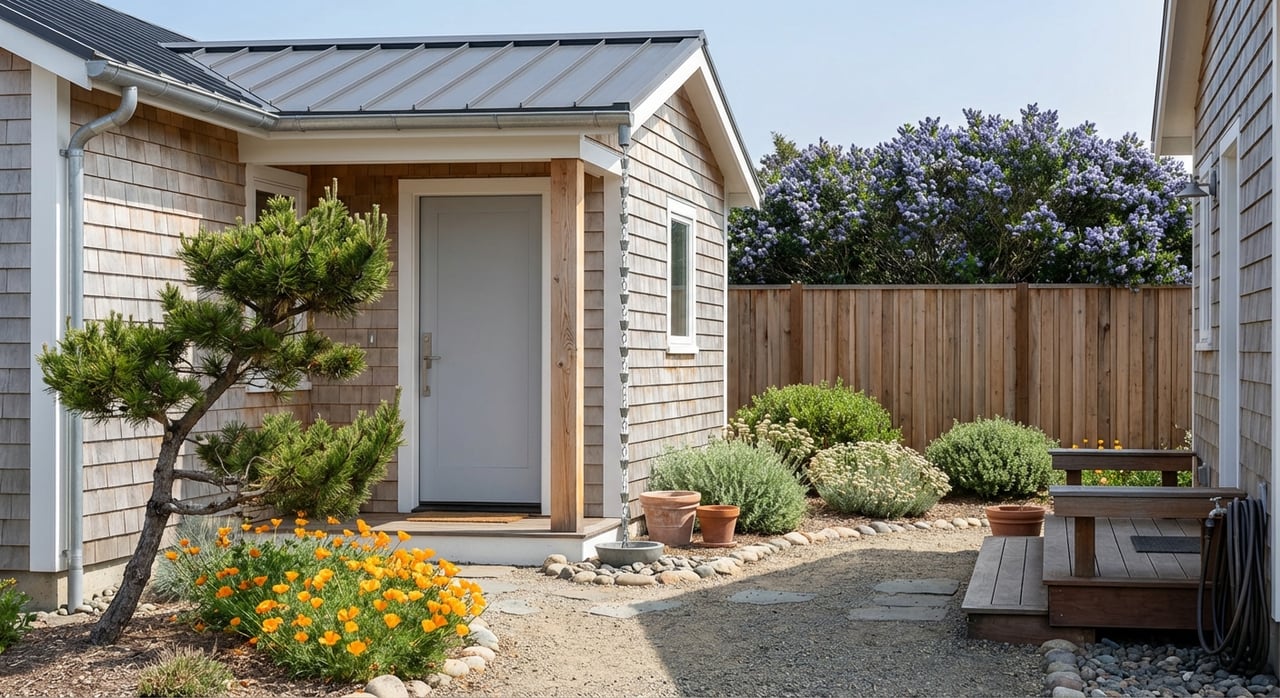
Craving a salt-air escape that still feels close to home? If you live in the North Bay, Bodega Bay puts wind-whipped beaches, a working harbor, and whale-watching weekends within easy reach. As a second-home buyer, you want coastal calm without coastal surprises. In this guide, you’ll learn what homes are common, how pricing really works, the seasonal rhythm, rental rules, maintenance and insurance realities, plus a practical checklist to buy confidently. Let’s dive in.
Why Bodega Bay works for second homes
You get the classic Sonoma Coast experience with practical conveniences. The town centers around Bodega Harbor, local eateries, and beach access, which makes weekend use simple. Compared with more remote stretches, you still have services and recreation at your doorstep.
From many North Bay hubs, Bodega Bay is a realistic weekend drive. Depending on traffic, you can often reach the coast from San Rafael in about 1 to 1.5 hours and from San Francisco in roughly 1.25 to 2 hours. If frequent trips are part of your plan, test a few routes during your likely travel times.
Bodega Bay also sits in a sweet spot among Sonoma’s coastal choices. It is less managed than Sea Ranch and more service-rich than tiny hamlets like Jenner. That balance attracts second-home buyers who want both nature and convenience.
What homes you’ll find
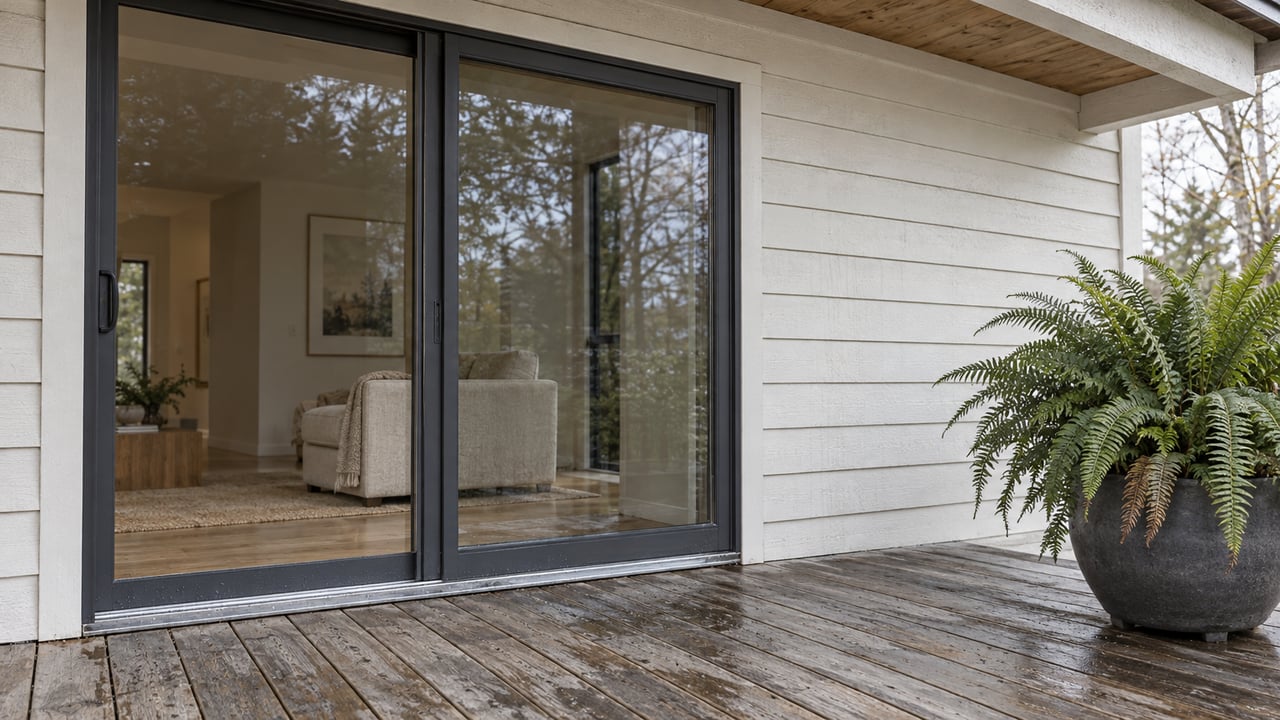
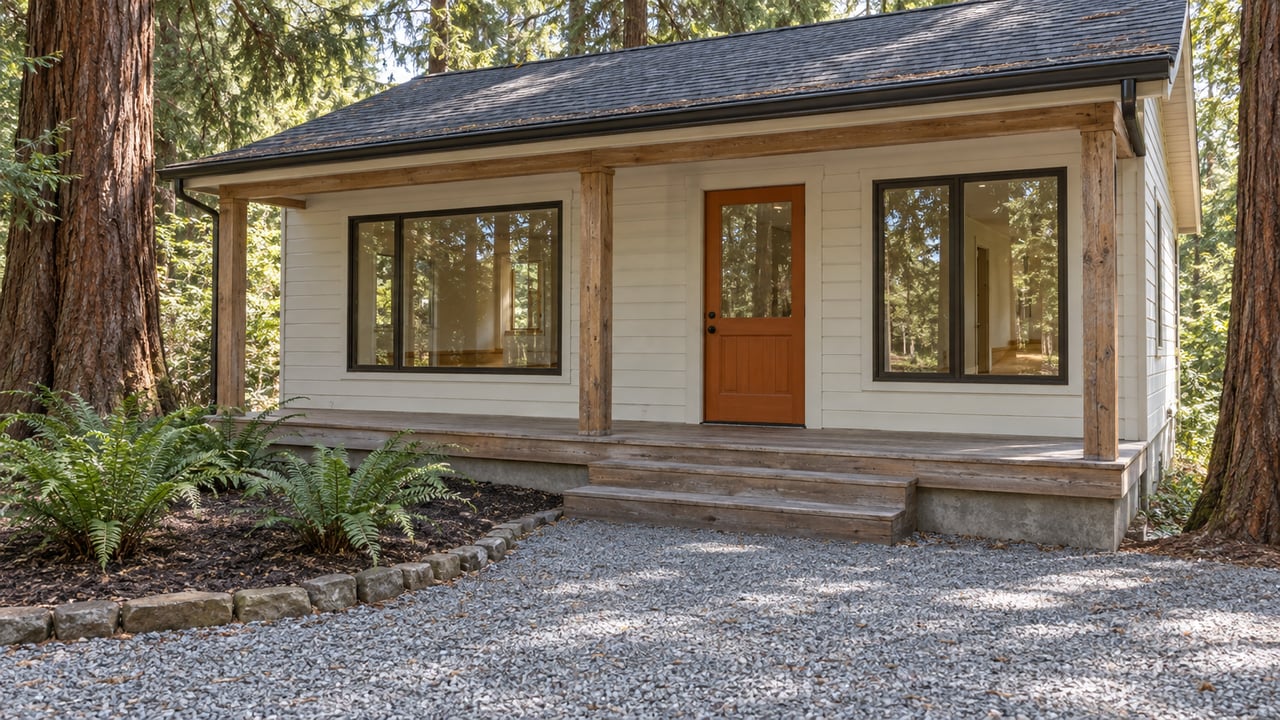
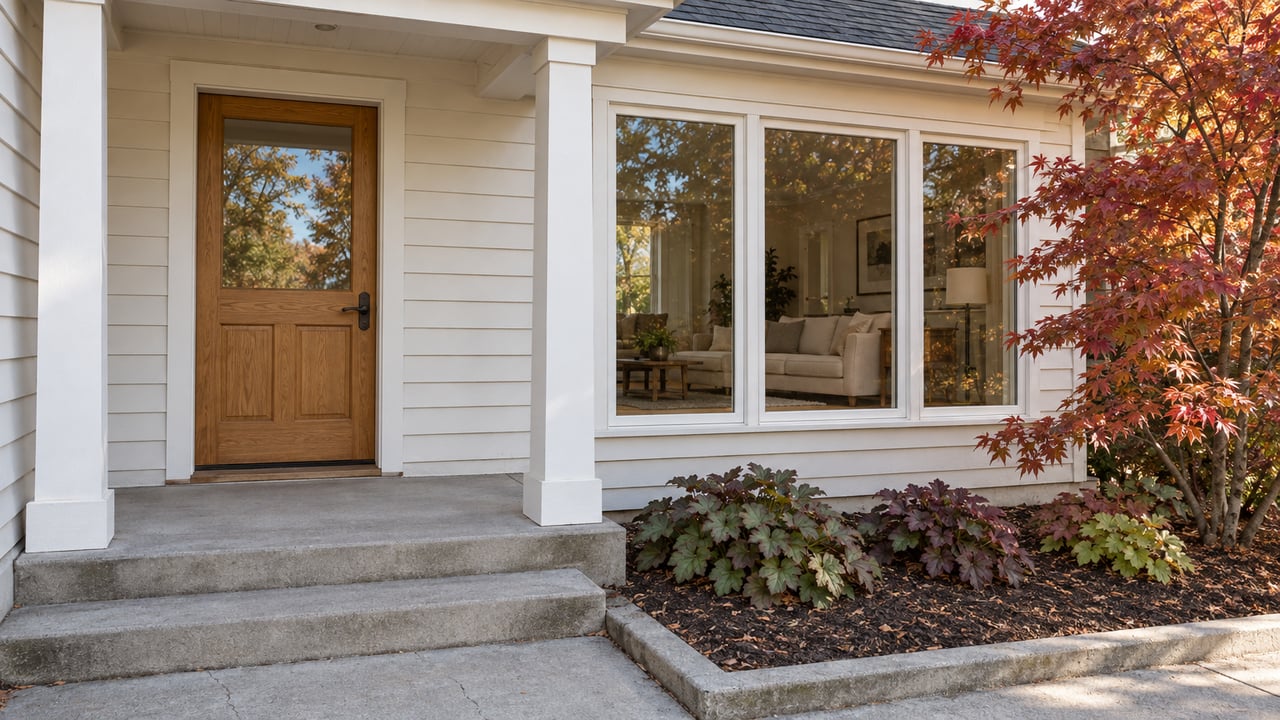
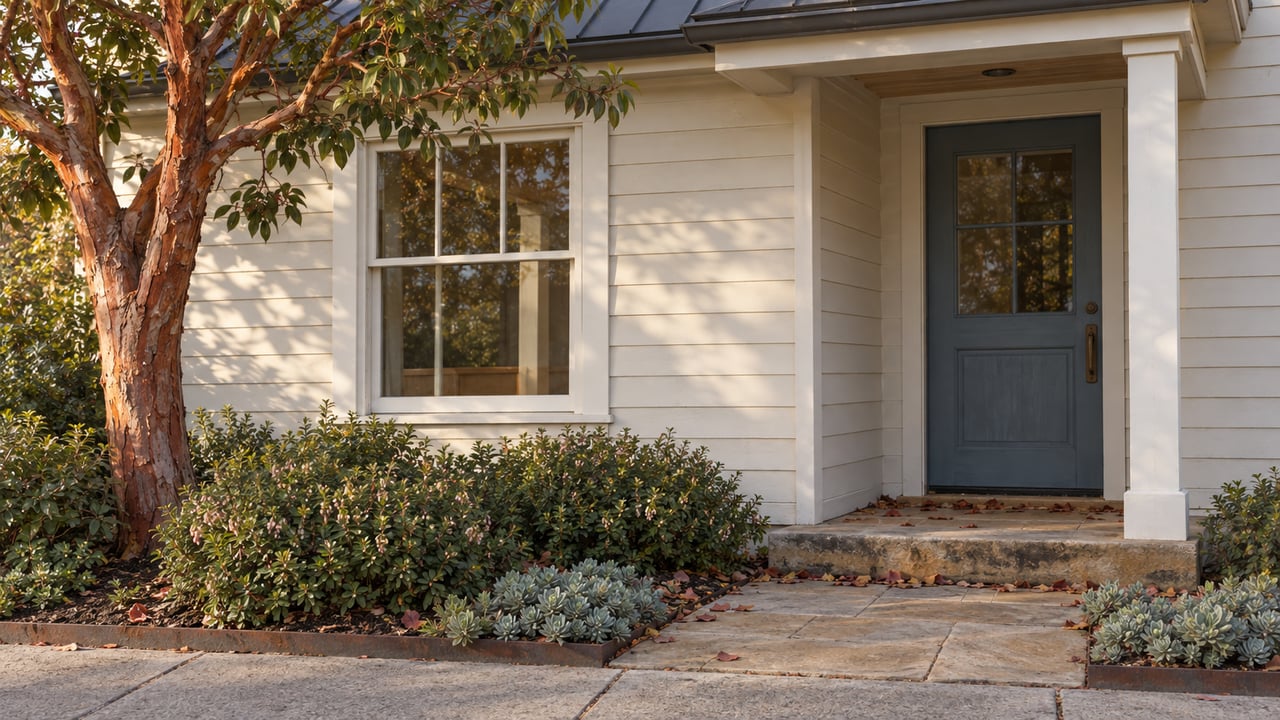
Inventory is varied. You’ll see small waterfront cottages and harbor-area homes near Doran Beach, mid-century and Craftsman cottages along Highway 1, newer remodels, and occasional larger parcels inland along Coleman Valley Road. Some homes are on private septic rather than sewer, which matters for maintenance and future upgrades.
Direct oceanfront and bluff-top parcels do exist, but they can require added review for bluff setbacks and geotechnical stability. If you’re eyeing a view home near the edge, plan for extra due diligence before you write an offer.
Pricing sits in the low-to-mid seven figures, but this is a small market where a few sales can swing the median. For example, in January 2026 some tracking sources reported typical prices near 1.2 to 1.36 million, while mid-2025 summaries showed higher medians around 1.49 million. The gap reflects small sample sizes, seasonal mix, and the effect of occasional waterfront sales. Local reporting also notes that price per square foot in Bodega Bay is among the highest in Sonoma County, which mirrors its limited, high-amenity coastline. For any specific home, rely on address-level comparables rather than broad county averages. A recent local analysis highlights Bodega Bay’s higher price per square foot.
Seasonal rhythm and rental outlook
Bodega Bay hums in spring and summer with beach days, hiking at Bodega Head, and boating. Winters are quieter and can bring storm-driven maintenance needs like roof checks and drainage tune-ups. If you plan to host guests, expect peak demand during holidays and warm-weather weekends.
If short-term rentals are part of your plan, know the rules first. Sonoma County runs a vacation-rental licensing program with standards for quiet hours, occupancy, parking, and property management, plus zone-based caps. Coastal parcels also sit under the county’s Local Coastal Program and are subject to California Coastal Commission considerations. Always confirm whether a parcel is eligible and whether a vacation-rental license exists or can be obtained. Start with Permit Sonoma’s vacation-rental guidance.
Practical takeaway: permitted homes can command strong nightly rates in high season, but income is seasonal and compliance is essential. Build conservative cash-flow models and verify permitting before you count on rental income.
Coastal risks and insurance planning
Coastal properties are special, and lenders and insurers treat them that way. Smart screening up front saves surprises later.
Flooding, erosion, and sea-level rise
Check FEMA flood maps to see if a parcel lies in a Special Flood Hazard Area. For a visual of future high-tide and storm scenarios, use the NOAA Sea Level Rise Viewer. Low-lying harbor and beach areas can see tidal flooding and surge, while bluff-top homes face erosion risk and long-term bluff retreat. If a property is near the shoreline or in a low area, request an elevation certificate and consider a coastal geotechnical review.
Shoreline work often needs coastal permits, and applications must account for sea-level rise and wave run-up in bluff-setback analyses. Expect longer timelines and potential limits on hard armoring like seawalls.
Wildfire exposure and defensible space
Parts of Sonoma County are mapped in Moderate, High, or Very High Fire Hazard Severity Zones. Mapping updates in recent years expanded some hazard areas statewide. Parcel status affects defensible-space rules, possible retrofits, and disclosures. Review Cal Fire’s GIS resources to understand current mapping and on-the-ground requirements through Cal Fire’s hazard mapping hub.
Insurance market realities
California’s homeowner insurance market has been evolving, and some coastal or wildfire-exposed homes can be harder or more expensive to insure. If standard coverage is not available, the California FAIR Plan is an insurer of last resort, typically with higher cost and more limited coverage. Get quotes early, including separate flood and earthquake options, and talk with a broker about realistic premiums. For market context, see the Department of Insurance’s updates on its Sustainable Insurance Strategy.
Maintenance and systems to budget for
Salt air, wind, and fog accelerate wear. Expect shorter cycles for exterior paint and sealants, faster corrosion on metal connectors, and more frequent servicing for coastal-exposed HVAC equipment. Specialists recommend corrosion-resistant materials like 316 stainless in high-exposure areas, plus routine freshwater rinsing and inspections. Plan for roughly 10 to 30 percent higher exterior maintenance costs than for a similar inland home. For material guidance, see the industry overview on corrosion resistance in coastal construction.
The marine layer can also raise indoor humidity. Follow EPA basics: vent baths and kitchens outside, keep indoor relative humidity below 60 percent, and dry any water damage within 24 to 48 hours. These simple steps reduce mold risks. Read more in the EPA’s moisture and mold guidance.
If a property relies on a septic system, order a full inspection, request pumping and maintenance records, and confirm capacity for your intended use. Systems near wetlands or mapped flood areas can face siting constraints and higher replacement costs. The state’s onsite wastewater policy outlines siting and performance standards; start with the regional overview from the California Water Boards.
Quick due-diligence checklist
Use this list to move fast and smart when you find the right home.
- Permit and zoning: Confirm parcel zoning, Coastal Zone status, and any vacation-rental license history with Permit Sonoma. Request the property’s permit history and any open code issues.
- Flood and elevation: Pull the address in FEMA’s Flood Map Service Center and obtain or request an elevation certificate for low-lying parcels.
- Sea-level and bluff review: Screen the address in the NOAA Sea Level Rise Viewer. For bluff-top or shoreline properties, require a coastal geotechnical engineer’s report.
- Wildfire mapping and home hardening: Check Cal Fire’s mapping and get a defensible-space or home-hardening assessment if the parcel lies in a higher hazard zone via Cal Fire resources.
- Septic and well: Order a licensed septic inspection, verify pumping records, and confirm capacity. If applicable, review well records and county environmental health approvals. See regional standards from the California Water Boards.
- Insurance pre-quotes: Obtain homeowners, flood, and earthquake quotes early. If standard coverage is denied, discuss FAIR Plan plus a companion policy. For context, review CDI’s insurance market updates.
- Coastal-exposure inspection: Ask your inspector to evaluate connectors, fasteners, deck hardware, and HVAC condensers for corrosion and to recommend coastal-grade materials informed by industry corrosion guidance.
How Bodega Bay compares locally
- Sea Ranch: A planned community with architectural continuity and strong covenants. Often higher recent median prices in snapshots. It suits buyers who prefer a managed environment with cohesive design.
- Jenner and small hamlets: Lower inventory and fewer services, often with lower entry prices. These areas trade convenience for seclusion, which some buyers love.
Bodega Bay slots between the two, offering services, dining, and boating access while keeping an authentic small-town coast feel.
Your next step
If Bodega Bay is calling, pair inspiration with a smart plan. We will help you target the right micro-locations, price by true comparables, verify permits and hazards early, and line up the coastal pros you need.
Ready to explore the coast with a local guide and a buyer’s checklist in hand? Reach out to Donna Nordby for thoughtful, place-based advice and curated property tours that fit how you live.
FAQs
What should second-home buyers know about Bodega Bay prices?
- Typical prices land in the low-to-mid seven figures, but medians swing month to month due to small sample sizes and the mix of waterfront sales. Use address-level comparables for any offer.
How long is the drive from San Rafael to Bodega Bay?
- Plan for about 1 to 1.5 hours depending on route and traffic; test your drive at the times you expect to travel most often.
Can you operate a short-term rental in Bodega Bay?
- Many parcels can qualify, but Sonoma County requires a vacation-rental license with rules for occupancy, parking, and quiet hours, and coastal-zone parcels have added considerations. Start with Permit Sonoma.
What inspections are most important for a coastal home in Bodega Bay?
- In addition to a standard home inspection, prioritize coastal-exposure checks for corrosion, septic inspection if applicable, wildfire defensible-space review, and flood or elevation documentation for low-lying parcels.
Is homeowners insurance hard to get on the Sonoma Coast?
- Some coastal or wildfire-exposed homes face higher premiums or limited availability; obtain quotes early and understand FAIR Plan options plus flood and earthquake coverage as separate policies.