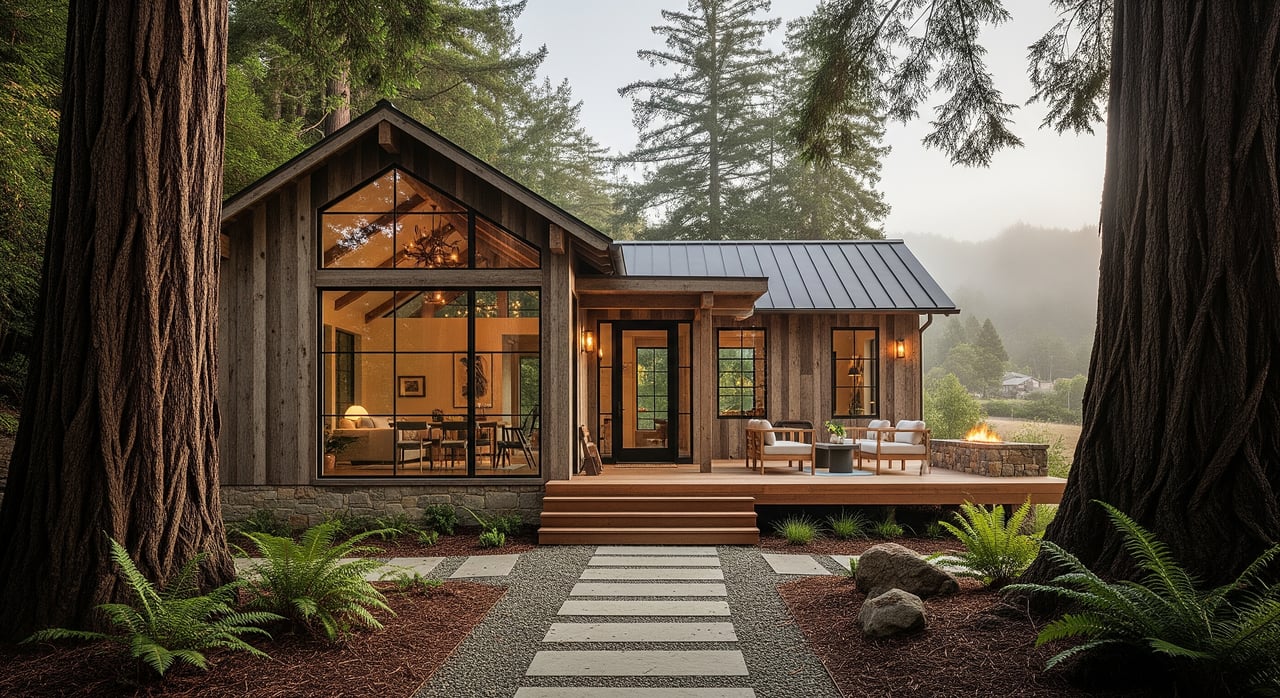
If the pull of redwoods, quiet roads, and starlit nights has you dreaming of a Cazadero cabin, you are in good company. Buying in this corner of West Sonoma County is about more than a pretty porch and a wood stove. Rural parcels come with unique systems, access needs, wildfire realities, and permitting rules that shape day-to-day living. In this guide, you will learn what to expect from rustic cabins in and around Cazadero, how to evaluate key features, and which steps help you buy with confidence. Let’s dive in.
Cazadero setting: what to expect
Cazadero sits in a forested, hilly part of western Sonoma County. Many homes are tucked into redwood and mixed-conifer stands, often on steep terrain with long private driveways. Roads can be narrow, and some parcels sit near creeks or drainages.
This setting shapes ownership. You should plan for limited municipal utilities, possible seasonal road wear, and variable cell and internet service. Winter storms may bring down trees and affect driveways, while summer and fall bring a higher wildfire risk across rural Sonoma County.
Keep a short list of local authorities handy as you evaluate properties. The Sonoma County Permit & Resource Management Department handles zoning and building permits. The Sonoma County Department of Health oversees septic and well guidance. CAL FIRE publishes Fire Hazard Severity Zone maps and defensible-space guidance. PG&E can speak to electrical availability and outage history, and FEMA flood resources help you understand creekside risk.
Common cabin styles and materials
Rustic timber and cottage layouts
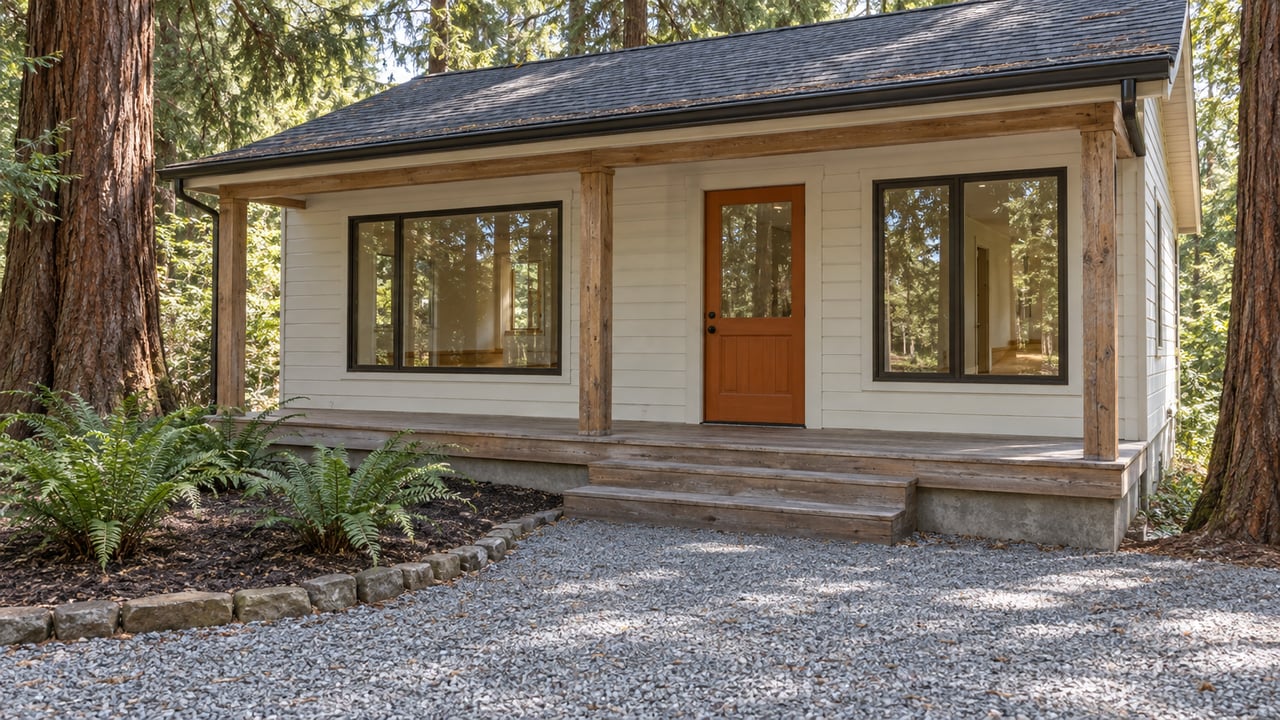
Many Cazadero cabins follow a simple, rectangular footprint with wood siding, a covered porch, and exposed beams. Interiors often favor open living areas with a loft for sleeping. Expect 1 to 2 bedrooms and smaller kitchens that fit weekend living or minimalist full-time use.
A-frames and chalet-style designs
You will also see A-frames and chalet-inspired cabins with steep roofs and vaulted ceilings. In Sonoma County, the appeal is more about aesthetics and volume than snow loads, but the roof design still helps shed leaves and debris.
Log, manufactured, and tiny homes
Log and semi-log homes appear on larger, more secluded parcels. Manufactured or modular homes can be a cost-effective option if they sit on a permanent foundation. Tiny homes or converted outbuildings may show up too, though these can have regulatory constraints you will want to confirm before you plan full-time use or expansion.
Building envelope and durability
Siding often includes redwood, cedar, T-111, or board-and-batten. These materials can perform well in a forested climate with the right maintenance. Roofs range from asphalt shingles on older cabins to newer metal roofs that offer greater durability and better fire resistance. On sloped sites, pier-and-beam foundations are common; they can make construction easier but may benefit from modern tie-downs or seismic upgrades.
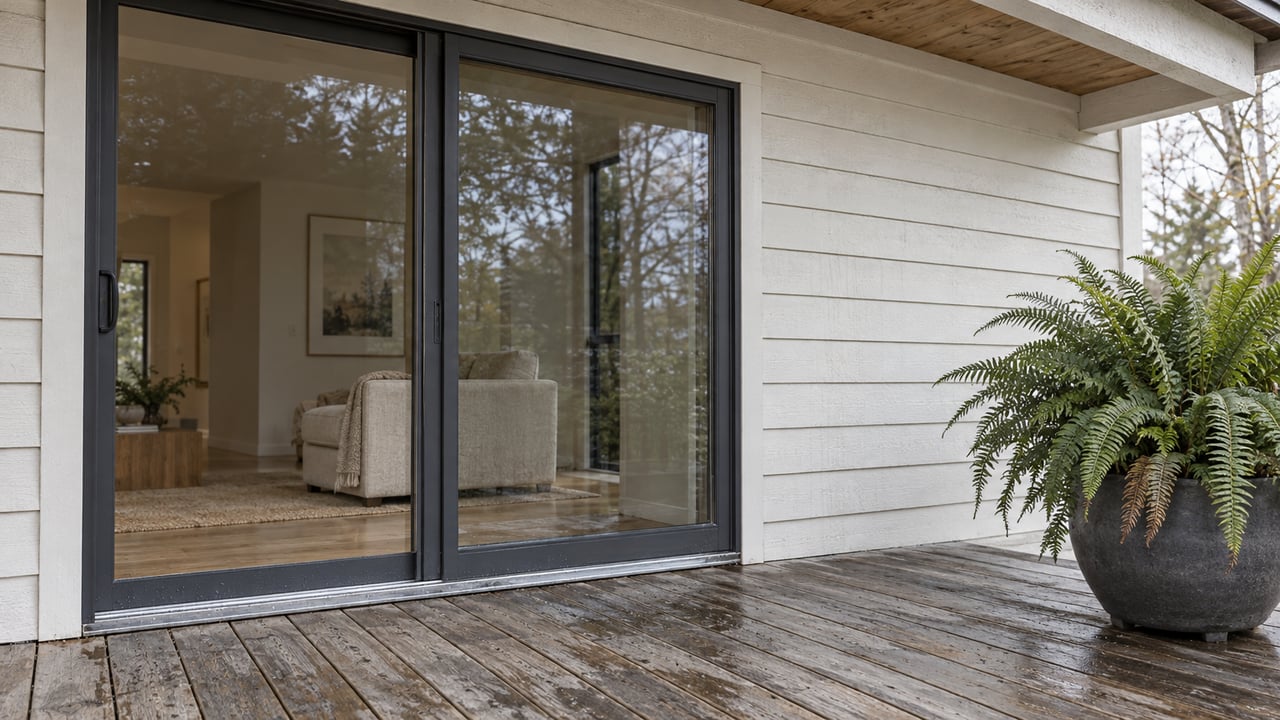
Decks are a signature feature in Cazadero. Large, wrap-around decks expand living space and take in the trees. Check attachment points and flashing, since deck ledgers are a frequent source of water intrusion and structural issues.
Interior systems and comfort
Inside, heating is often provided by a wood or pellet stove. Many cabins also use propane wall heaters or increasingly, efficient electric mini-splits that can pair with battery backup. Older cabins may have limited insulation, which raises heating needs and can lead to condensation or mold risk if not addressed. Plumbing systems can include smaller tank water heaters, either electric or propane, and some older plumbing materials may remain.
Maintenance watchpoints
- Wood siding needs regular sealing or staining to deter rot and insects.
- Roof age and fire rating matter for both protection and insurance.
- Deck connections and flashing deserve careful inspection.
- Under-insulated cabins may need upgrades to improve comfort and reduce moisture issues.
Water, septic, and power basics
Wells and shared water systems
Private wells are common in Cazadero. When you evaluate a cabin, verify well depth, production rate in gallons per minute, water quality, and pump condition. Storage tank size and age are also key. Some properties use springs or shared water systems with gravity-fed storage. If water is shared, review any recorded agreements and ask about reliability during dry months.
If you plan full-time living, confirm that the water source supports year-round use. Weekend or seasonal use often needs less capacity, but reliability still matters when storms or outages limit access.
Septic systems and capacity
Most rural cabins in this area rely on septic systems. Ask for the system’s age, capacity based on bedroom count, location of the leach field, and maintenance records. Check county records for permits, repairs, or replacements. If you plan to add bedrooms or renovate, you may need a septic upgrade. Soil conditions and available leach-field area will influence what is possible.
Electricity and backup power
Power is usually provided by PG&E on overhead lines. Outages can occur during storms and Public Safety Power Shutoffs. Many owners install backup generators, solar panels with battery storage, or both to improve resiliency. If a cabin already has solar, determine whether the system is owned or leased and note battery age and capacity. For propane service, confirm tank size, ownership, and truck access for deliveries.
Connectivity and remote work
Cell coverage in Cazadero can be spotty. Check reception onsite and review coverage maps to set expectations. Internet service often comes from fixed wireless providers where line-of-sight exists, satellite providers for more remote sites, or occasionally DSL if a phone line is present. If you work from home, verify download and upload speeds, as well as latency.
Access, roads, and drainage
Roads, driveways, and agreements
Most cabins sit off county roads and use private driveways. Maintenance is typically handled by owners through recorded road agreements or shared covenants. Review these documents and budget for grading or surfacing. If the driveway is steep or unpaved, it may be tough during heavy rains without regular upkeep. Bridges or culverts over creeks may require permits and ongoing maintenance.
Drainage, erosion, and waterways
Steep slopes and creek-adjacent parcels call for careful drainage planning. Grading, culverts, and stream crossings may trigger permit requirements and riparian setbacks. Some creekside properties may fall within FEMA flood zones. Understanding these factors early will help you plan improvements and manage risk.
Wildfire preparedness and hardening
Wildfire is a primary hazard in rural Sonoma County. Creating defensible space through fuel reduction, choosing Class A roofing and ember-resistant vents, and using non-combustible materials where possible all help mitigate risk. Some properties include cisterns or accessible water sources that assist with preparedness. Local ordinances and guidance may require vegetation management, and compliance can affect insurance availability.
Permits, zoning, and insurance
Permits you may need
Expect county permits for additions, new decks, taller decks, significant re-roofing projects, septic upgrades, new wells, and certain driveway improvements. If a site sits near streams, on steep slopes, or within sensitive habitat, separate environmental reviews may be required. Permitting timelines vary and can take weeks to months depending on scope and site complexity.
Zoning and allowed uses
Rural zoning categories often govern primary residences, accessory structures, unit counts, and parcel size. Short-term rental use can require specific permits and tax compliance. If you are buying with income in mind, confirm county policies for your parcel type before you make plans.
Insurance realities in wildfire areas
Insurance can be more expensive or harder to obtain for cabins in moderate to very high fire hazard zones. Underwriting looks closely at roof and siding materials, defensible space, proximity to emergency water, and past claims. Get quotes early in your purchase process. In some cases, you may need surplus-lines carriers or higher deductibles, and hardening measures can improve your options.
Budget planning: where costs show up
Every property is different, but common cost drivers include:
- Routine maintenance: siding care, roof upkeep, deck sealing, tree pruning or removal, driveway grading, and septic pumping.
- Systems upgrades: septic repair or replacement, well pump replacement or water treatment, roof replacement to meet fire standards, insulation, and electrical panel updates or battery and solar add-ons.
- Wildfire hardening: Class A roofing, ember-resistant vents, non-combustible siding treatments, and defensible-space clearing.
- Access improvements: driveway surfacing, culverts, and road stabilization, often with permits and sometimes engineer input.
Costs vary with site conditions, slope, access, and materials. Request multiple bids and confirm permit needs before you finalize your budget.
Buyer due diligence checklist
Use this checklist to guide your pre-offer and escrow steps:
- Walk the property at different times to gauge access, noise, and cell reception. Visit during wet weather if possible.
- Ask for records: septic permits and pumping logs, well logs and test results, building permits for past work, road maintenance agreements, and any fire mitigation reports.
- Order inspections: full home inspection, septic evaluation, well and water-quality testing, chimney and wood stove review, roof assessment, and a structural review if the cabin is older or on piers.
- Review access and roads: who maintains the private road, seasonal challenges, and the condition of bridges or culverts.
- Title and legal: confirm recorded easements, rights-of-way, shared water agreements, and any covenants.
- Insurance quotes: obtain early, and note any hardening that could improve pricing or availability.
- Connectivity test: verify realistic internet speeds and latency for your needs.
Match your lifestyle to the property
Weekend or seasonal use
If this is a getaway, you may be comfortable with modest water capacity and a simple heating system. Focus on safe driveway access in winter, secure closures when the property sits vacant, and reliable backup power for storm outages.
Full-time living
Plan for consistent water production, a septic system sized to bedrooms and use, and a heating solution that is efficient for daily living. Reliable year-round access and a dependable internet setup matter more when a cabin becomes your primary home.
Remote work needs
Test connectivity onsite and plan for fixed wireless or satellite if needed. Include installation costs, router upgrades, and potential tree trimming to maintain line-of-sight in your budget.
Work with a local guide
Buying in Cazadero rewards careful planning, and a local advocate can help you see around corners. From reading road agreements to coordinating well and septic inspections, the right partner brings clarity to a rural purchase. Poppy Real Estate is a boutique, founder-led brokerage focused on West Sonoma County. You get place-specific guidance, attentive service, and steady transaction management from people who work these roads and ridgelines every day.
Ready to explore cabins under the redwoods with a trusted local? Connect with Donna Nordby to start a thoughtful, step-by-step search.
FAQs
Can you live year-round in a Cazadero cabin?
- Often yes, but confirm reliable year-round water production, septic capacity for your bedroom count, and a heating and insulation plan that supports daily comfort.
How do I evaluate a well and water supply in Cazadero?
- Review the well log and pump records, test production in gallons per minute, and order water-quality testing for bacteria, nitrates, and minerals, plus confirm storage tank size and condition.
What should I know about septic systems on rural cabins?
- Verify system age, capacity, and leach-field location, review county records for permits or repairs, and order a professional septic inspection before you remove contingencies.
How hard is it to get homeowners insurance for cabins in wildfire zones?
- Availability and pricing vary by site; start quotes early, and note that Class A roofs, ember-resistant vents, and defensible space can improve underwriting results.
What internet options support remote work in Cazadero?
- Fixed wireless works with line-of-sight, satellite serves more remote sites, and DSL may be available in limited cases; test onsite speeds and latency to confirm viability.
Who maintains private roads and driveways to cabins?
- Owners typically maintain shared roads through recorded agreements, and you should review those documents, the condition of driveways, and any bridge or culvert responsibilities before closing.