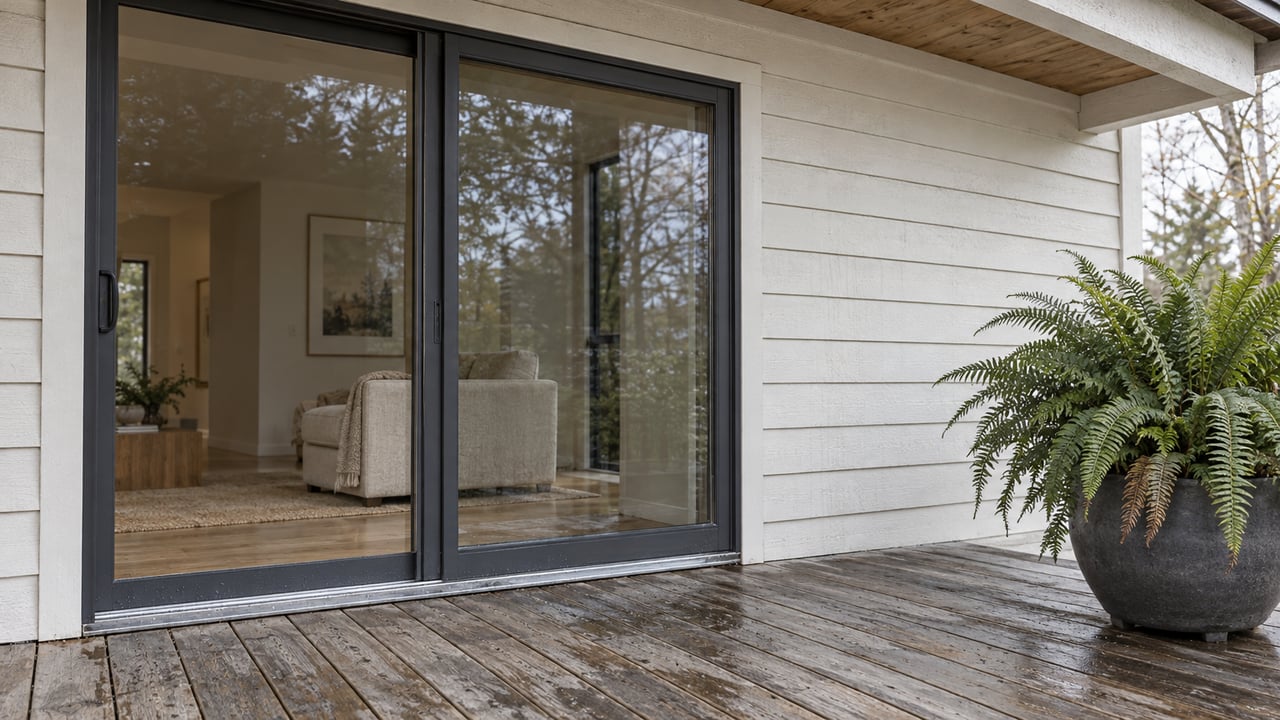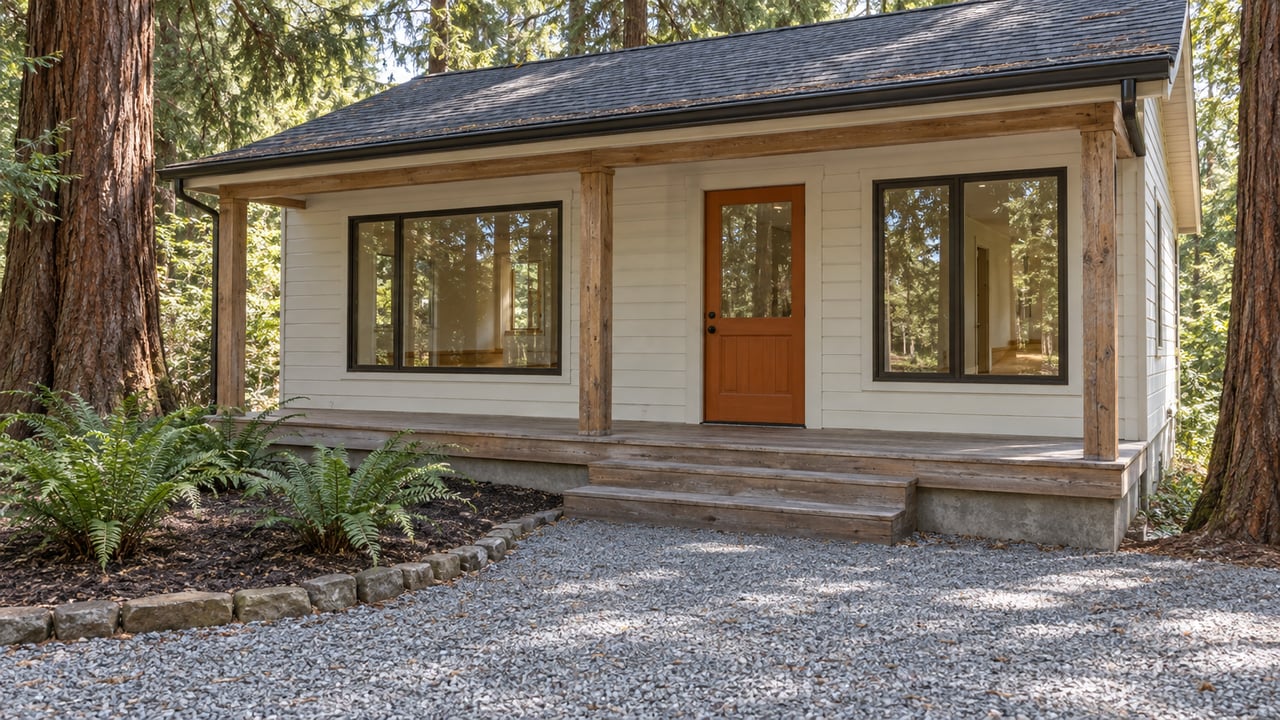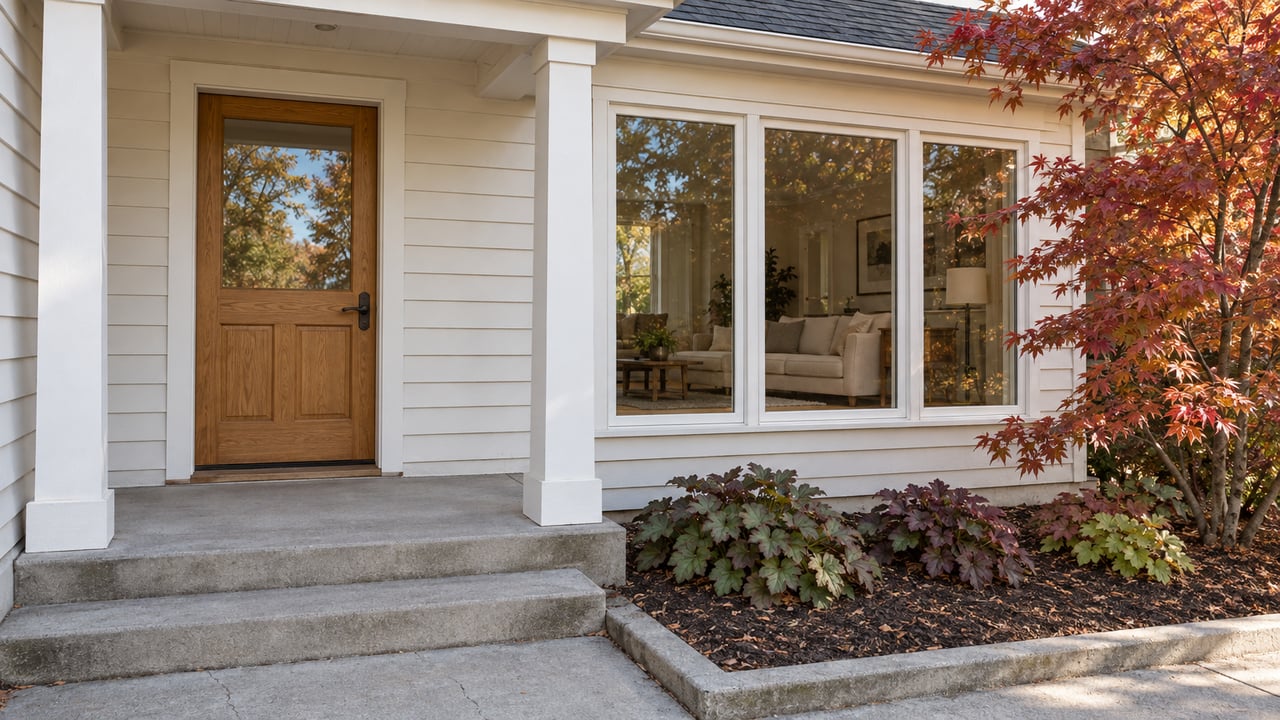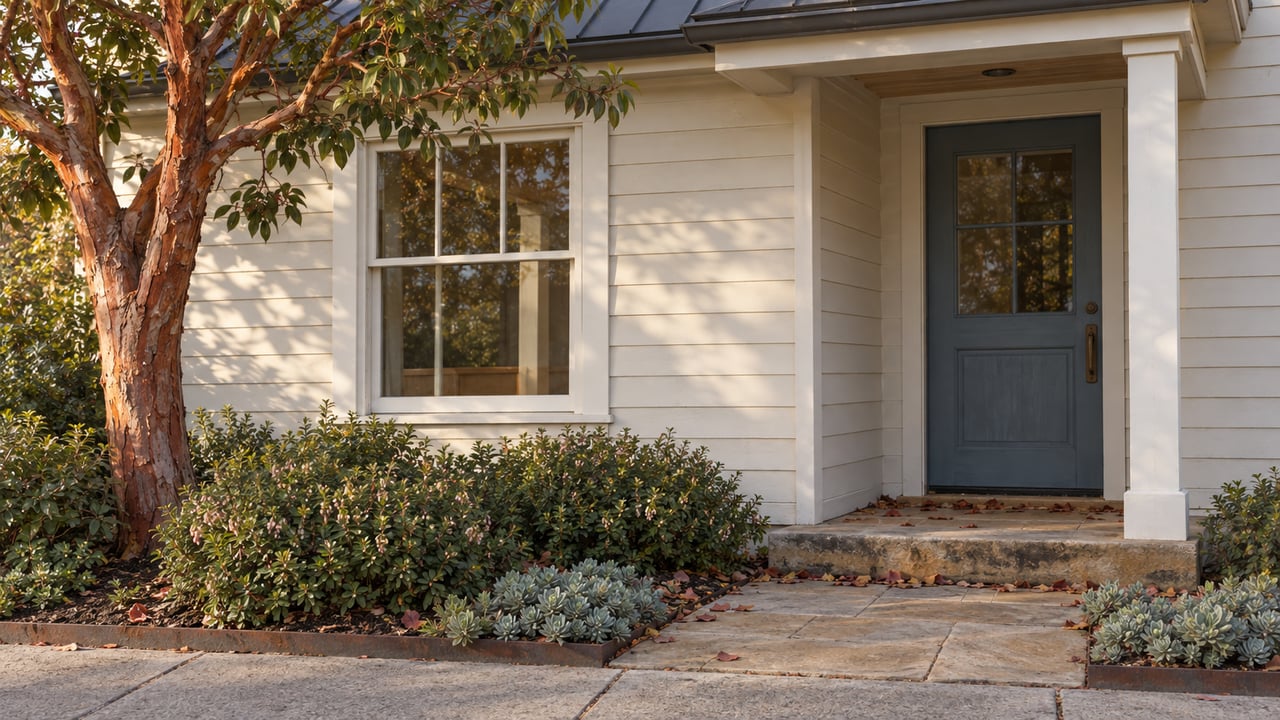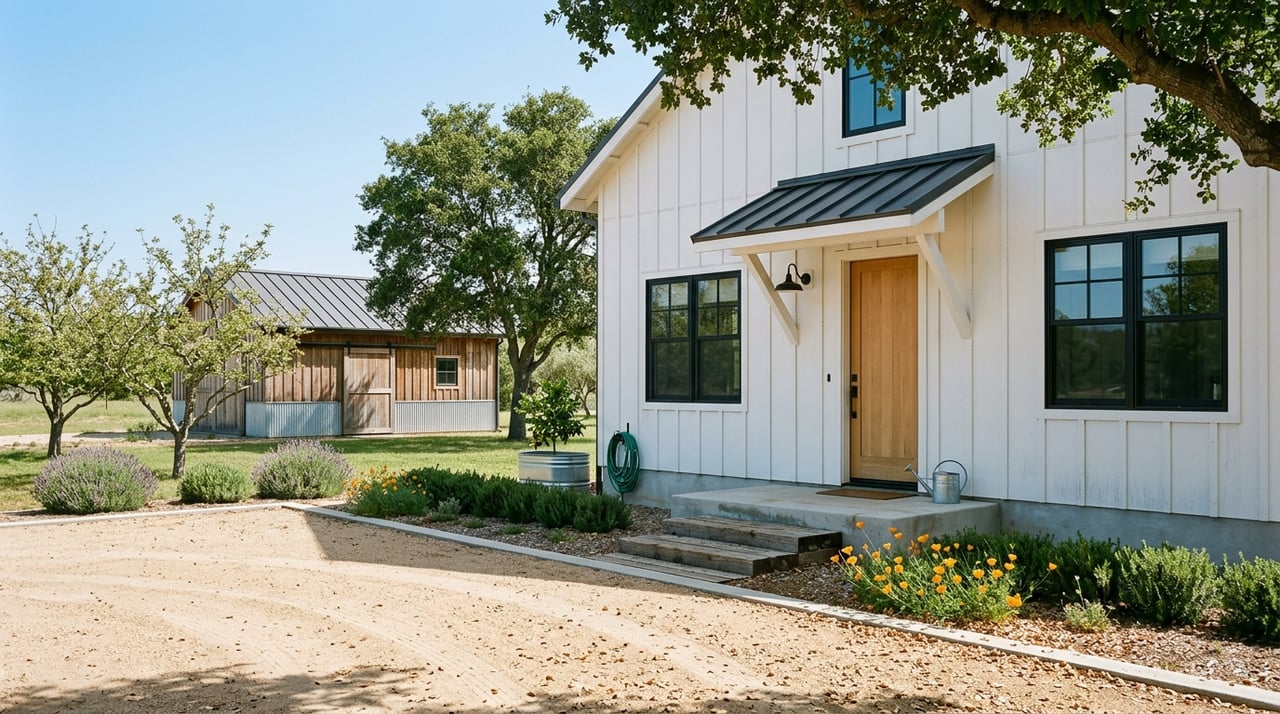
Dreaming of a few acres in Penngrove for gardens, chickens, or a small barn? You are not alone, and this kind of purchase can be exciting for all the right reasons. It can also surprise buyers who assume acreage alone tells the whole story. In Penngrove, the real answer usually comes down to zoning, water, septic, access, and parcel-specific limits. Let’s dive in.
Why Penngrove appeals to hobby-farm buyers
Penngrove has a distinctly rural planning framework, which is a big part of its appeal if you want breathing room and a more agricultural setting. The Penngrove Area Plan reduces densities in outlying areas to recognize development constraints and help prevent sprawl.
That matters because Penngrove is not one simple acreage market. It includes different land-use designations, including rural residential, low-density residential, and single-family residential areas. If you are shopping for a hobby-farm property, that means two parcels with similar acreage can offer very different possibilities.
Why acreage alone is not enough
A common mistake is thinking a 2-acre parcel will work the same as any other 2-acre parcel. In Penngrove, that is not how it works. A parcel’s APN, zoning, area-plan rules, overlays, and utility conditions all shape what you may be able to do.
For example, a current parcel report for 8270 Petaluma Hill Road shows a DA 20 land-use designation under the Penngrove Area Plan, plus overlays for California Tiger Salamander habitat and Farmland of Local Importance or Unique Farmland. That is a useful example of how one parcel can carry both residential and working-land characteristics at the same time.
How Penngrove land use affects small acreage
Within the Penngrove Area Plan, some rural residential land inside the sewer district is described as 2 acres per unit. Some low-density residential areas are mapped at one-half acre density only if public water service is extended.
The plan also states that some parcels may support minor agricultural uses, such as plant nurseries, subject to screening and use-permit procedures. For you as a buyer, this means the same idea of a “small farm” can translate very differently from one pocket of Penngrove to another.
Rural residential vs agricultural-residential
Sonoma County’s AR zone is intended for lands where crops and farm animals fit within a primarily rural-residential setting. The RR zone is more residential in nature. It is meant to preserve rural character, gives residential uses precedence over agriculture, and does not allow agricultural service uses.
On rural-residential land, the RR minimum lot size is generally 1.5 acres, or 1 acre where public water serves the lot. In parts of the Penngrove Area Plan, some areas are also set at 2-acre density, while smaller-lot patterns may depend on public water and other site conditions.
What that means for hobby-farm use
In practical terms, a parcel may be suitable for gardens, chickens, or a small number of animals, but still not work for more intensive improvements or business activity. Barns, retail sales, and expanded operations can involve separate rules, permits, or size thresholds.
This is why the most important question is not just “How many acres is it?” but “What does this specific parcel allow?” That one shift in thinking can save you time, money, and frustration.
Expect rural-residential realities
In Penngrove, agricultural and residential uses often sit side by side. Sonoma County’s Right to Farm ordinance makes that clear by warning nearby property owners to expect potential noise, odors, dust, insects, machinery, manure, and spray activity associated with agriculture.
If you are buying a hobby-farm property, this is part of the lifestyle you are choosing into. It can be a great fit if you value open space and working-land character, but it is smart to go in with clear expectations.
Water and septic deserve early attention
For many small-acreage buyers, utilities are where due diligence gets serious. If public sewer is not available, Permit Sonoma says homeowners must use septic systems. New or replacement onsite wastewater treatment systems, and non-standard systems, may require site evaluations and permits.
Wells also need close review. Permit Sonoma requires well permits to drill, abandon, or deepen wells, and those permits may only be issued to C-57 contractors. The county’s current application page also states that non-emergency well permits are suspended under a Sonoma County Superior Court order served December 17, 2024.
Groundwater can vary by parcel
Water availability is not the same across the county or even within the same community. Permit Sonoma’s Groundwater Availability Areas map divides the county into four zones for site-specific development analysis.
If a parcel sits on a boundary, staff use the more restrictive classification. In water-limited situations, the county’s project-review checklist says extra well testing or a net-zero review may be required. For a buyer, that means water planning should start early, not after contingencies are nearly removed.
Access can be a hidden deal point
Access is another issue that looks simple until you dig into it. The Penngrove Area Plan says rural-residential parcels need access from a county-maintained road or a private road governed by a road-maintenance agreement.
That means you should review more than the driveway entrance. Easements, shared-road terms, road condition, turnouts, and long-term upkeep can all affect your ownership experience and future costs.
Overlays can change the picture
Parcel reports often reveal details that are easy to miss in a quick showing. In Penngrove, overlays may involve habitat, farmland classifications, or fire-district jurisdiction.
Again, the 8270 Petaluma Hill Road parcel report is a good example. It identifies California Tiger Salamander habitat, Farmland of Local Importance, and Rancho Adobe Fire Protection District jurisdiction. These details do not automatically make a parcel unworkable, but they can affect review, improvements, and planning.
Fire safety matters on small acreage
If you are buying in a rural setting, fire clearance needs to be part of your budget and planning. Sonoma County’s defensible-space code requires vegetation management within 100 feet of structures, with the most intensive work in the first 30 feet.
There are some exemptions for agricultural crops, agricultural operations, and certain agricultural buildings such as barns and hay barns. Still, defensible space is required around habitable dwellings and residential accessory structures, so it remains an important part of owning small acreage.
Planning for outbuildings and farm sales
Many buyers picture a future barn, greenhouse, workshop, or small farm stand. Those can be possible, but they should never be assumed. In Sonoma County, farm stands are allowed in AR and RR zones, and small-scale farm retail sales facilities require at least 2 acres, a zoning permit, a building permit, and a maximum retail area of 500 square feet.
That tells you something important. Even modest on-site sales are typically a separate land-use decision, not something to add casually after closing.
A smart due-diligence checklist
Before you remove contingencies, it helps to think like a land steward and a future owner. Permit Sonoma’s parcel report page advises buyers to contact the relevant county sections before making property purchase decisions.
For a Penngrove hobby-farm purchase, that usually means confirming details with planning and zoning, building inspection, and well-and-septic staff. It can also mean bringing in the right site-specific professionals early.
What to verify before closing
- Exact zoning and land-use designation by APN
- Whether the parcel falls within the Penngrove Area Plan
- Minimum lot size and density rules that apply
- Availability of public water or sewer, if any
- Septic status and whether evaluations are needed
- Well status and whether water-related review may be required
- Road access, easements, and maintenance agreements
- Habitat, farmland, or fire-related overlays on the parcel report
- Defensible-space responsibilities around homes and accessory structures
- Whether planned outbuildings or retail uses need permits
The best Penngrove parcel is the one that lines up
The right hobby-farm property in Penngrove is not always the largest parcel or the prettiest one at first glance. It is the one where your goals line up with the parcel’s zoning, utilities, access, overlays, and fire-safety requirements.
That is where local, parcel-level guidance matters most. If you want help narrowing down Penngrove small acreage and asking the right questions before you commit, connect with Donna Nordby for thoughtful, place-aware guidance.
FAQs
What makes buying small acreage in Penngrove different from buying a typical home?
- Small-acreage purchases in Penngrove often require extra review of zoning, septic, wells, groundwater, access, overlays, and fire-clearance rules, not just the house itself.
What zoning matters most for a hobby farm in Penngrove?
- In Sonoma County, AR zoning is intended for crops and farm animals within a rural-residential setting, while RR zoning is more residential and gives residential uses precedence over agriculture.
What parcel size should you expect for rural residential land in Penngrove?
- Within the Penngrove Area Plan, some rural residential land is described at 2 acres per unit, while some low-density areas may allow smaller-lot patterns only when public water is extended.
What should buyers know about wells and septic on Penngrove acreage?
- If public sewer is not available, septic is required, and certain systems need permits and site evaluations. Well permits are also regulated by Permit Sonoma, and non-emergency well permits are currently suspended under a county court order noted on the county application page.
What access issues should buyers check on a Penngrove acreage property?
- Buyers should confirm whether access is from a county-maintained road or a private road with a road-maintenance agreement, and should also review easements, driveway conditions, and upkeep responsibilities.
Can you add a farm stand to a small-acreage property in Penngrove?
- It may be possible in AR and RR zones, but Sonoma County’s small-scale farm retail sales rules require at least 2 acres, a zoning permit, a building permit, and a retail area no larger than 500 square feet.
What does Right to Farm mean for Penngrove property owners?
- Sonoma County’s ordinance warns that nearby agricultural activity may involve noise, odors, dust, insects, machinery, manure, and spray activity, so buyers should expect working-land conditions in some areas.
What is the most important step before removing contingencies on a Penngrove hobby-farm property?
- Verify the parcel-specific facts with Permit Sonoma and the appropriate professionals, because the best property is the one where zoning, water, septic, access, overlays, and intended use all align.